The Chang E Chinese moon goddess story is a moon myth about Chang’e, Hou Yi, an elixir, separation from the human world, and the memory of looking toward the moon. It should be read as a story of longing, choice, immortality, and festival symbolism, not as a water-deity tale or a single fixed historical record.
Quick Answer
The safest way to understand the Chang E Chinese moon goddess story is to keep four layers separate: Hou Yi and the elixir form the plot, Chang’e and the Moon Palace form the image, the Jade Rabbit adds later moon symbolism, and Mid-Autumn Festival keeps the story alive in family and cultural memory. Different versions may explain Chang’e’s decision differently, so the article should name the variation instead of forcing one moral.
Basic Facts
How the Chang’e Story Usually Begins
Most retellings begin in the human world. Hou Yi is remembered as a great archer, and the elixir of immortality becomes the object that changes the fate of the household. The story then turns on why Chang’e takes or receives the elixir, and versions do not all explain that moment in the same way.
That variation matters. In some tellings Chang’e acts to protect the elixir from misuse; in others the focus is more tragic, emphasizing separation from Hou Yi. A careful reading should not flatten these versions into one simple lesson. The shared frame is that the elixir moves Chang’e away from ordinary life and toward the moon.
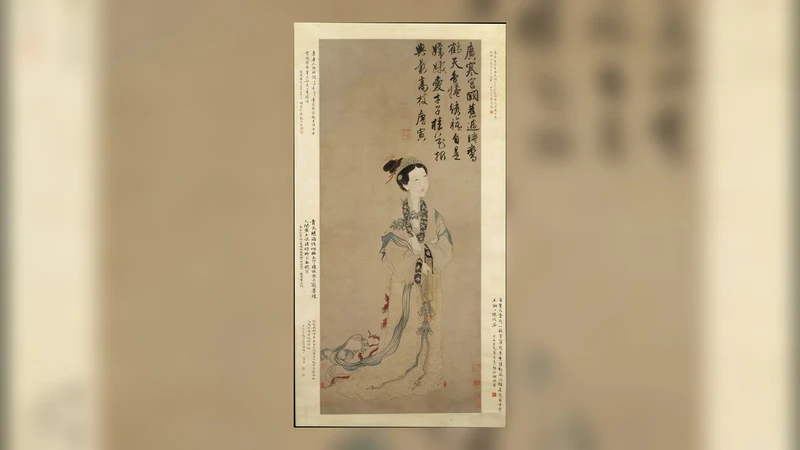
The Moon Palace and the Image of Distance
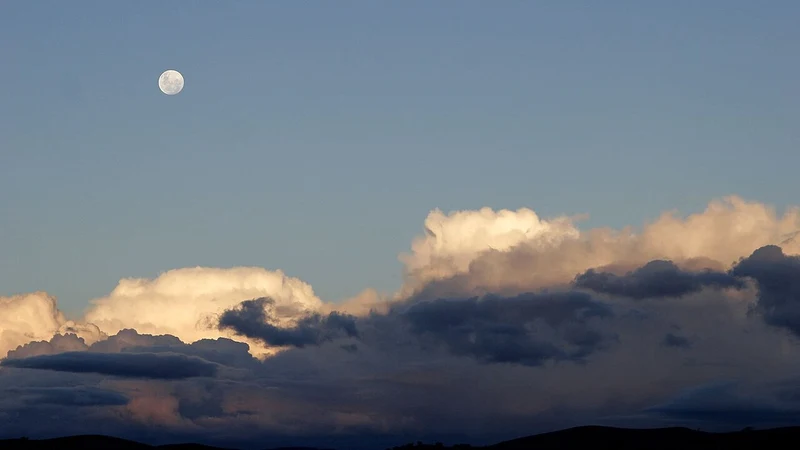
After Chang’e reaches the moon, the story becomes visual and emotional. The Moon Palace is not just a location. It gives the myth its feeling of distance: bright enough to see, too far to touch, and repeated every time people look up at the moon.
This is why the Chang E Chinese moon goddess story often feels quieter than a heroic battle story. Hou Yi remains tied to earth, while Chang’e becomes associated with the sky, night, and a form of immortality that also carries loneliness.
Jade Rabbit, Medicine, and Later Moon Symbols
The Jade Rabbit is often placed near Chang’e in later moon imagery. The rabbit may be shown preparing medicine or an elixir, which connects it to immortality themes without replacing Chang’e as the central figure. For readers, the safest method is to treat the rabbit as a moon symbol that supports the story, not as proof that every source tells the same episode.
Moon Palace imagery also changes by audience. A classroom version may simplify the plot, a festival version may emphasize reunion, and an art-historical version may focus on elegance, robes, clouds, and courtly space. These differences are normal in mythology.
Mid-Autumn Festival and Cultural Memory
Chang’e is strongly connected with Mid-Autumn Festival because the festival centers on moon viewing, family gathering, and stories told under the full moon. Mooncakes, lanterns, and family meals do not mean the myth is only a holiday decoration; they show how the story keeps circulating in daily cultural memory.
For a beginner, a clear sequence is simple: first understand Chang’e and Hou Yi, then identify the elixir and Moon Palace, then ask how Mid-Autumn retellings soften or reshape the emotional tone. That order prevents the story from becoming a loose list of moon symbols.
Common Version Differences
The Huainanzi, Lanming xun preserves an early account in which Yi obtains an immortality medicine from the Queen Mother of the West and Heng’e takes it and flees to the moon. This early passage does not include the later protective-motive episode.
The largest difference is motive. Some versions make Chang’e protective, some make the story more tragic, and some compress the sequence for children. Another difference is emphasis: one retelling may focus on Hou Yi’s loss, while another centers Chang’e’s lonely immortality in the Moon Palace.
Because of these differences, strong summaries use boundary language. They say “in many versions” or “in later retellings” when details are not universal. That is more accurate than treating one modern paragraph as the only correct Chang’e myth.
Quick reference
- Start with the people: Chang’e and Hou Yi are the core figures.
- Track the object: the elixir explains why the story moves from earth to moon.
- Read the place: the Moon Palace carries distance, beauty, and loneliness.
- Separate symbols: Jade Rabbit and mooncakes support the story but do not replace the plot.
- Name variation: motive and moral can change by source, region, and teaching context.
Related reading on this site includes Chinese mythology symbols and meanings and Chinese mythology for kids. For a broader external background, see Chinese mythology.
Frequently Asked Questions
Who is Chang’e in Chinese mythology?
Chang’e is the Chinese moon goddess best known for leaving the human world for the Moon Palace after the elixir story connected with Hou Yi.
Why is Hou Yi important in the Chang’e story?
Hou Yi gives the story its human frame: he is the archer linked with the elixir, loss, separation, and many later retellings of Chang’e.
How is Chang’e connected with Mid-Autumn Festival?
Later cultural memory connects Chang’e with moon viewing, reunion, mooncakes, and stories told during Mid-Autumn Festival, though details vary by region and source.
Is there one fixed version of the Chang’e myth?
No. Versions differ on motive, sequence, and tone, so a careful article should separate the shared story core from later festival, classroom, and regional retellings.
Enjoyed this story? Share it!
🐦 Share on Twitter📚 Related Books
Explore more Chinese mythology stories in our curated collection