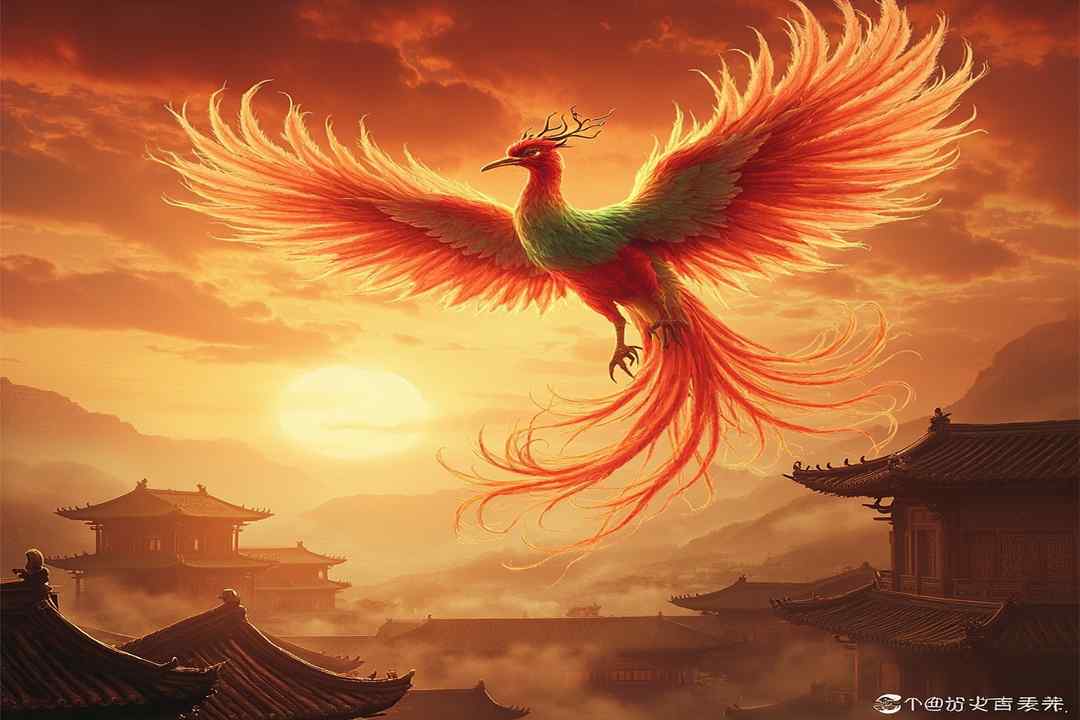
The chinese mythology legend of phoenix is one of the most enduring and beloved cultural symbols in Chinese history, weaving together myth, virtue, and collective identity that has captivated people for over three millennia. Unlike many ancient myths that fade into obscurity, this legend remains a central part of daily life in China, appearing in festivals, art, weddings, and even modern branding.
At its core, the story revolves around the fenghuang, a mythical bird often translated as “Chinese phoenix,” though its symbolism is far more nuanced than the firebird of Western lore. This guide will unpack every layer of the legend, from its ancient origins to its modern relevance, helping you understand not just the story itself, but how to use it correctly in conversation and context.
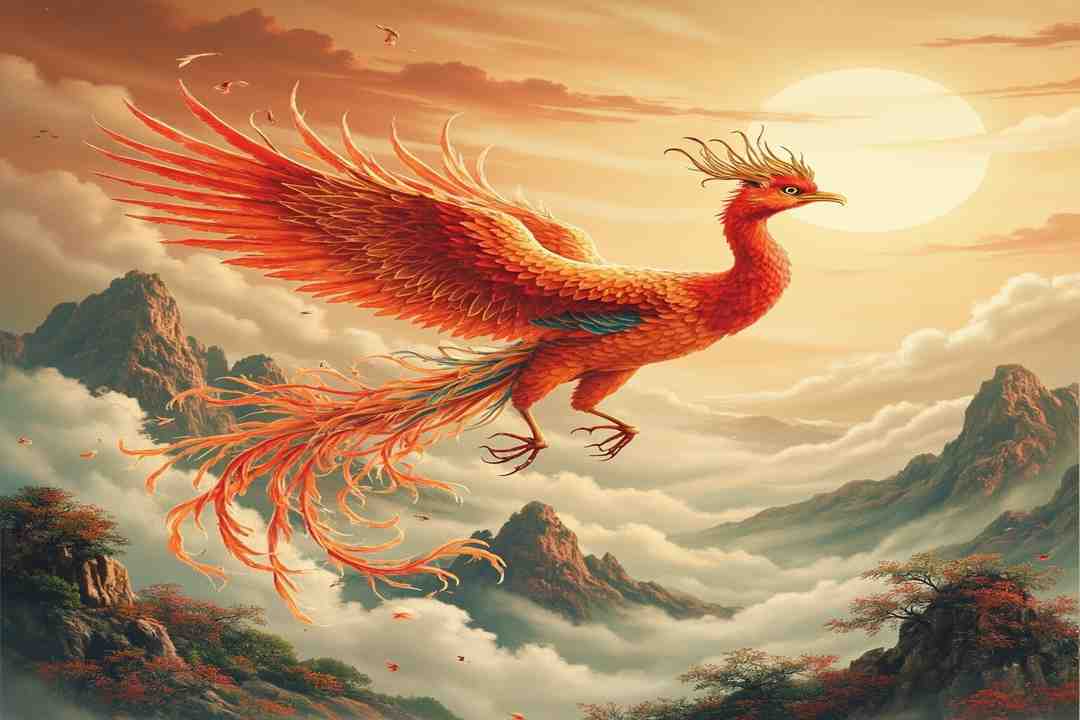
The Story Behind chinese mythology legend of phoenix
The origins of the chinese mythology legend of phoenix stretch back to some of China’s oldest surviving texts, with the earliest recorded mentions dating to the Western Zhou Dynasty (1046–771 BCE) in the *Book of Songs* (Shijing), a collection of ancient poems and folk songs. The *Book of Songs* references the fenghuang as a rare, majestic bird that only appears in times of great peace and virtuous rule, making it a powerful omen for rulers and societies alike.
Later, during the Warring States Period (475–221 BCE), the *Classic of Mountains and Seas* (Shan Hai Jing) expanded on the legend, describing the fenghuang as a bird that lives on Kunlun Mountain, the mythical home of immortals. According to the text, the fenghuang has five colors matching the five Chinese elements (wood, fire, earth, metal, water), perches only on the sacred parasol tree, and feeds exclusively on bamboo seeds, making it a creature of purity and grace.
A key historical figure tied to the legend is Emperor Shun, one of the legendary Five Emperors of ancient China. After Shun’s just and benevolent rule brought decades of prosperity to his people, the fenghuang is said to have descended from the heavens to sing in his palace courtyard, a sign that his reign was favored by the gods.
This story was later recorded in Sima Qian’s *Records of the Grand Historian* (Shiji), a foundational text of Chinese historiography, cementing the phoenix’s association with virtuous leadership for centuries. Unlike the Western phoenix, which is often depicted as a solitary bird of fire that rises from its own ashes, the Chinese fenghuang is a pair: the male is called feng, and the female huang, together representing the balance of yin and yang, the harmony between opposites that is central to Chinese philosophy.
This duality is a critical part of the legend, linking it to concepts of partnership, equality, and harmony in all aspects of life.
What chinese mythology legend of phoenix Really Means
At its simplest, the chinese mythology legend of phoenix refers to the myth of the fenghuang bird and its symbolic meanings, which extend far beyond a mere tale of a magical creature. The core figurative meanings of the legend can be broken down into three key themes.
First, it is a universal omen of good fortune and prosperity. When the fenghuang appears, it signals that a period of peace, success, or positive change is coming to a community or individual.
Second, it represents perfect harmony and balance, particularly in relationships. The pairing of feng and huang makes the legend a popular symbol for romantic partnerships, where two people complement each other’s strengths and weaknesses, embodying the yin-yang balance.
Third, it is associated with virtue and noble character. Since the fenghuang only appears to virtuous rulers or people of high moral standing, the legend is often used to praise someone who acts with integrity and compassion.
A common mistake that learners of Chinese culture (and Chinese language) make when engaging with this idiom is confusing the Chinese fenghuang with the Western phoenix. Many people assume the phoenix is a symbol of rebirth after destruction, as in the Western myth of the bird rising from its own ashes.
However, this is a misinterpretation of the chinese mythology legend of phoenix. The Chinese phoenix has no connection to fire or rebirth through death; its core symbolism is about virtue, harmony, and good fortune.
This mistake can lead to awkward or incorrect usage, such as describing a personal comeback as a “phoenix rise from ashes” when referencing the Chinese legend, which would be off-topic and inaccurate.
How to Use chinese mythology legend of phoenix in Conversation
The idiom derived from the chinese mythology legend of phoenix is versatile, appearing in formal, informal, and cultural contexts. Below are four practical, natural examples of how to use it correctly:
- Formal context (praise for a leader): “When the new university president, who has prioritized student well-being and academic excellence, was appointed, many faculty members saw his arrival as a reflection of the chinese mythology legend of phoenix—an omen that the university would enter a new era of growth and respect.”
- Romantic context (wedding invitation): “The couple’s wedding invitations featured a hand-painted dragon and phoenix design, a traditional symbol tied to the chinese mythology legend of phoenix, representing their balanced and loving union that honors both partners’ strengths.”
- Business context (successful partnership): “The collaboration between the small local craft brand and a major international retailer was seen as a modern take on the chinese mythology legend of phoenix: the brand brought traditional artistry, while the retailer brought global reach, creating a mutually beneficial partnership that exceeded all expectations.”
- Cultural context (festival discussion): “During the Lunar New Year parade, the elaborate dragon and phoenix float drew large crowds, with many elderly attendees noting that the phoenix figure is central to the chinese mythology legend of phoenix, bringing good luck to the city for the coming year.”
Why chinese mythology legend of phoenix Matters Today
The chinese mythology legend of phoenix remains a vital part of Chinese culture in the modern era, far from being a relic of ancient history. One of its most visible roles is in traditional and modern art and design: from the patterns on high-end silk fabrics to the logos of major Chinese airlines (such as Hainan Airlines, which features a stylized phoenix on its tail) and luxury brands, the phoenix is a symbol of elegance, prosperity, and national identity.
In social contexts, it is still a staple of weddings, where dragon and phoenix motifs are used to wish the couple a harmonious and successful marriage, and in Lunar New Year celebrations, where phoenix floats and decorations are common to bring good fortune for the year ahead. Beyond cultural traditions, the legend has also gained global recognition, as non-Chinese people learn about Chinese mythology and its unique symbols.
Unlike the Western phoenix, which is often used in pop culture to represent rebellion or rebirth, the Chinese fenghuang offers a different set of values: balance, virtue, and collective good. This makes the legend a powerful tool for cross-cultural understanding, highlighting how different societies use myth to express core values.
Additionally, the legend has been adapted in modern media, such as Chinese fantasy novels and TV series, where phoenix characters represent noble heroines or powerful forces of good, keeping the story relevant for younger generations.
Related Idioms
Several Chinese idioms are directly tied to or draw inspiration from the chinese mythology legend of phoenix, making them useful to know when exploring related themes. The most common is long fèng chéng xiáng (龙凤呈祥), which translates to “dragon and phoenix bring good fortune.” This idiom is often used in the same contexts as the phoenix legend, particularly for weddings and celebrations, emphasizing the harmony between two parties.
Another related idiom is fèng niǎo zhī zhì (凤鸟之志), meaning “the ambition of a phoenix,” which is used to describe someone with great, noble aspirations, drawing on the legend’s association with virtue and high character. A third idiom is fèng huán jiǔ tiān (凤还九天), meaning “the phoenix returns to the nine heavens,” which is used to describe a successful person’s return to their home or a triumphant comeback, though it is important to note that this is a more specific idiom than the core phoenix legend.
All of these idioms share the core symbolism of the chinese mythology legend of phoenix, linking them to themes of good fortune, harmony, and virtue.
Frequently Asked Questions
What is the origin of chinese mythology legend of phoenix?
The legend of the Chinese phoenix (Feng Huang) has its roots in Neolithic Chinese cultures, with early artistic depictions appearing on pottery and artifacts from sites like Liangzhu and Yangshao cultures over 5,000 years ago. The creature is a composite being, blending features of multiple real animals (such as pheasants, peacocks, and cranes) to represent harmony. The first written mentions of the phoenix date back to the Book of Songs (Shijing), an ancient Chinese poetry collection from the 11th to 7th centuries BCE, where it is linked to virtuous emperors and eras of peace.
What are the main characters in chinese mythology legend of phoenix?
The core characters in the Chinese phoenix legend are the Feng Huang pair: the male “Feng” (representing yang, heaven, and masculinity) and the female “Huang” (representing yin, earth, and femininity), together symbolizing balance and marital harmony. Phoenixes are also closely associated with mythological Chinese emperors, such as the Yellow Emperor (Huang Di), whose reign was marked by the appearance of phoenixes as a divine sign of his virtuous rule and the prosperity of his era.
What is the moral lesson of chinese mythology legend of phoenix?
The primary moral lesson of the Chinese phoenix legend is that auspicious outcomes and societal harmony depend on virtuous leadership, moral integrity, and balance between opposing forces (like yin and yang). Phoenixes are said to appear only in times of peace, justice, and good governance, teaching that ethical conduct and unity form the foundation of a prosperous life. Additionally, the phoenix symbolizes resilience and renewal, reminding people that positive change can emerge from adversity when rooted in goodness.
How is chinese mythology legend of phoenix celebrated in modern China?
In modern China, the phoenix is a widely revered cultural symbol celebrated through many traditions. It is a staple in wedding rituals: dragon-and-phoenix motifs adorn bridal gowns, invitations, and home decor, representing a harmonious, prosperous union. During Lunar New Year, phoenix-themed lanterns, paper cuts, and textiles are used to bring good luck and ward off misfortune. It also features in Chinese opera, contemporary fashion, and media as an emblem of grace and resilience, often marking moments of triumph or good fortune in films and series.
What are similar myths to chinese mythology legend of phoenix?
Similar myths in Chinese mythology include those of the Chinese dragon (Long), another sacred chimera creature symbolizing power and good fortune, often paired with the phoenix to represent balance. The Vermilion Bird (Zhu Que)—one of the Four Divine Creatures of Chinese cosmology—is a fire-linked bird associated with the south and summer, sharing the phoenix’s celestial, auspicious symbolism. Another parallel is the Qilin, a gentle hooved chimera symbolizing virtue and prosperity, aligning with the phoenix’s role as a core auspicious creature in Chinese folklore.
7 Fascinating Facts About Chinese Mythology Celestial Beings What Is Chinese Mythology Sun God? The Truth Behind the Myth 7 Fascinating Facts About Chinese Mythology Movie That Will Wikipedia
Enjoyed this story? Share it!
🐦 Share on Twitter📚 Related Books
Explore more Chinese mythology stories in our curated collection