Chinese mythology vs Greek mythology for students is a useful classroom topic because both traditions are familiar enough to compare, but different enough to teach careful reading. The goal is not to claim that one Chinese figure equals one Greek figure. The better goal is to ask how each tradition explains power, family, courage, order, monsters, punishment, and human limits.
Quick Answer
Chinese mythology vs Greek mythology for students should compare story functions rather than forced matches. Chinese mythology often emphasizes cosmic order, ancestors, local gods, dragons, immortals, and moral repair, while Greek mythology often centers on Olympian gods, heroic trials, fate, conflict, and the consequences of pride.
Basic Facts
- Topic: Student-friendly comparison of Chinese and Greek myth systems.
- Best use: School projects, essays, slides, classroom discussion, and beginner mythology study.
- Main check: Compare story roles before comparing names.
- Common mistake: Treating similar powers as proof that two figures mean the same thing.
Quick reference: Chinese mythology vs Greek mythology for students = divine order + hero test + monster role + moral lesson + cultural value.
Start With Story Function, Not Character Matching
The easiest mistake in a comparison project is to build a list of pairs too quickly. Students may ask whether the Jade Emperor is Zeus, whether Nezha is Hercules, or whether Chinese dragons are the same as Greek dragons. Those questions are understandable, but they often produce weak answers. A stronger Chinese mythology vs Greek mythology for students essay asks what each figure does inside the story world.
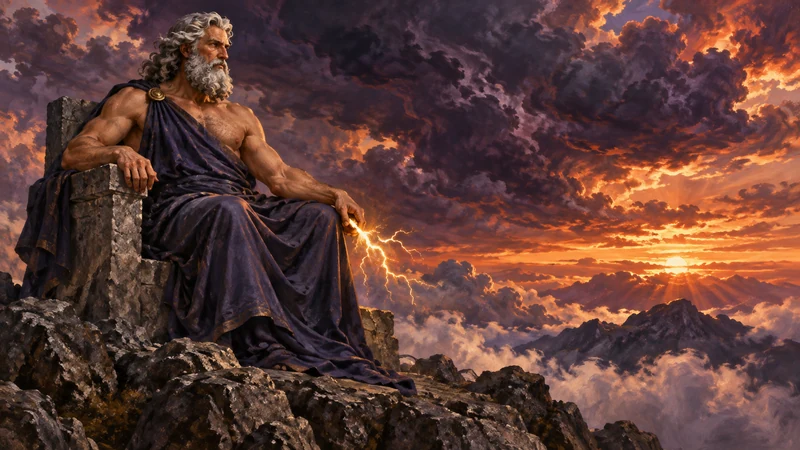
Zeus is a ruler of the Olympian order, but Greek stories often show divine desire, conflict, punishment, and rivalry. The Jade Emperor can represent heavenly administration and cosmic order in later Chinese religious and literary traditions, but Chinese mythic material also includes local gods, immortals, ancestors, and legendary culture heroes. That larger system cannot be reduced to one ruler.
Creation Stories and World Order
Creation material gives students a clear starting point. Chinese stories may include Pangu separating heaven and earth, Nuwa repairing the sky, and culture heroes who bring order to floods, farming, tools, or social life. These stories often ask how chaos becomes livable and how human society receives structure.
Greek material may begin with Chaos, Gaia, Uranus, Titans, Olympians, and a sequence of divine generations. The Greek world order is shaped by conflict, succession, and the power struggles that define the gods. A good Chinese mythology vs Greek mythology for students paragraph can compare these two directions: repair and ordering in one case, succession and conflict in another. Both explain the world, but they do so with different narrative energy.
Heroes: Strength, Transformation, and Responsibility
Hero stories are usually the most readable part of the comparison. Hercules is famous for strength, labor, punishment, and impossible tasks. Perseus faces monsters and impossible missions. Odysseus wins through endurance, speech, and cunning. Greek heroes often stand between human weakness and extraordinary fame.
Chinese heroic figures can work differently. Nezha is not only a fighter; his story includes birth, family conflict, sacrifice, transformation, and protection. Yu the Great is heroic because he controls floods through labor and public responsibility. Erlang Shen combines disciplined power with demon-fighting ability. In a Chinese mythology vs Greek mythology for students assignment, this difference helps students avoid shallow claims. Strength is not always the main point; responsibility, repair, and social order may matter more.
Dragons, Monsters, and Dangerous Beings
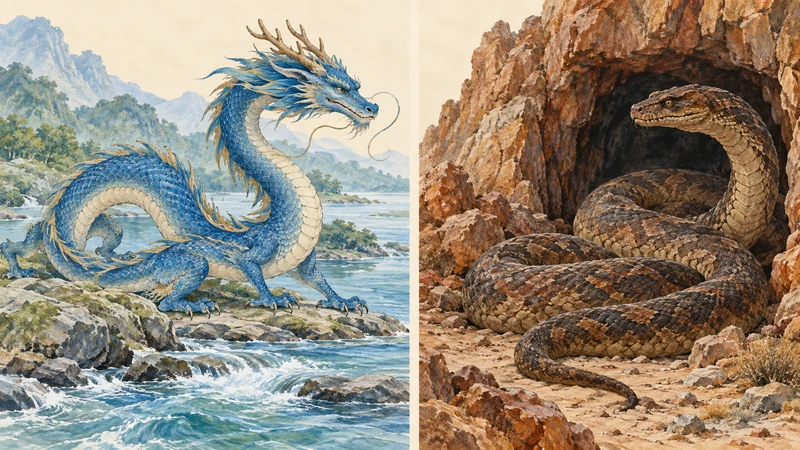
Dragons are another common comparison. In many Chinese contexts, dragons are connected with water, rain, imperial authority, auspicious power, and cosmic vitality. They can be dangerous, but they are not automatically evil monsters. Their meaning depends on the story, ritual setting, and cultural context.
Greek dragons, serpents, and monsters often test heroes or guard boundaries. Python, the Hydra, and other beings may mark danger, chaos, or a heroic challenge. This makes a useful classroom contrast. In Chinese material, a dragon may support order or symbolize authority. In Greek material, a serpent-like monster may more often become an obstacle to be defeated. Chinese mythology vs Greek mythology for students should state that difference clearly.
Moral Lessons and Human Limits
Greek mythology often warns about pride, oath-breaking, divine anger, and the limits placed on human beings. A person may be clever, beautiful, strong, or ambitious, but crossing a divine boundary can bring disaster. This gives Greek stories a strong tragic edge.
Chinese mythology and related legendary stories often focus on restoring order, honoring obligations, correcting imbalance, protecting the community, or explaining why a custom matters. The moral center may be family, place, duty, ritual memory, or cosmic balance. A balanced Chinese mythology vs Greek mythology for students essay should not say one tradition is moral and the other is not. Both are moral, but they ask different questions.
A Student-Friendly Comparison Chart
Students can organize the assignment with six columns: topic, Chinese example, Greek example, similarity, difference, and one sentence of evidence. This prevents the project from becoming a list of random names. For example, the hero row might compare Nezha and Hercules. The similarity is extraordinary power. The difference is that Nezha’s story centers on family conflict and transformation, while Hercules is shaped by labors, punishment, and heroic trial.
For source context, Britannica offers an overview of Greek mythology. Readers can continue on this site with Chinese dragon mythology and Chinese mythology Nezha.
The strongest conclusion for Chinese mythology vs Greek mythology for students is careful rather than flashy: both traditions use gods, heroes, monsters, and moral warnings, but they organize meaning differently. A student who explains that difference will write a better essay than a student who only makes a matching chart.
How to Avoid a Shallow Comparison
The safest way to improve Chinese mythology vs Greek mythology for students is to avoid ranking the traditions. A school project should not say one mythology is more advanced, more logical, or more dramatic. That kind of claim is usually unsupported and distracts from the real comparison. Students should focus on how stories answer cultural questions.
A useful project can ask: how does each tradition explain authority, where do monsters appear, what makes a hero admirable, what punishment teaches a lesson, and how does the story world remember the dead? These questions create stronger paragraphs because each one demands evidence. The student can then compare a Chinese example with a Greek example without forcing them into the same category.
This approach also makes Chinese mythology vs Greek mythology for students easier to present in slides. Each slide can contain one question, two examples, and one careful takeaway. That is clearer than a crowded chart of gods and names.
For classroom use, Chinese mythology vs Greek mythology for students should end with a clear takeaway, not a winner. The comparison is strongest when it explains difference with evidence.
Common Questions
What does Chinese mythology vs Greek mythology for students compare?
It compares gods, creation stories, heroes, monsters, moral lessons, and cultural values with clear examples.
Are Chinese and Greek gods the same type of figures?
No. Both traditions have powerful divine figures, but their social roles, story systems, and cultural meanings are different.
Is Nezha like Hercules?
They can be compared as heroic figures, but Nezha is tied to family conflict, transformation, and protection, while Hercules is tied to labors, strength, and heroic trial.
Why should students avoid one-to-one matching?
One-to-one matching often hides important differences in religion, literature, local worship, and story purpose.
What is the best classroom method?
Use a comparison chart with creation, divine order, hero test, monster role, moral lesson, and cultural value.
Enjoyed this story? Share it!
🐦 Share on Twitter📚 Related Books
Explore more Chinese mythology stories in our curated collection