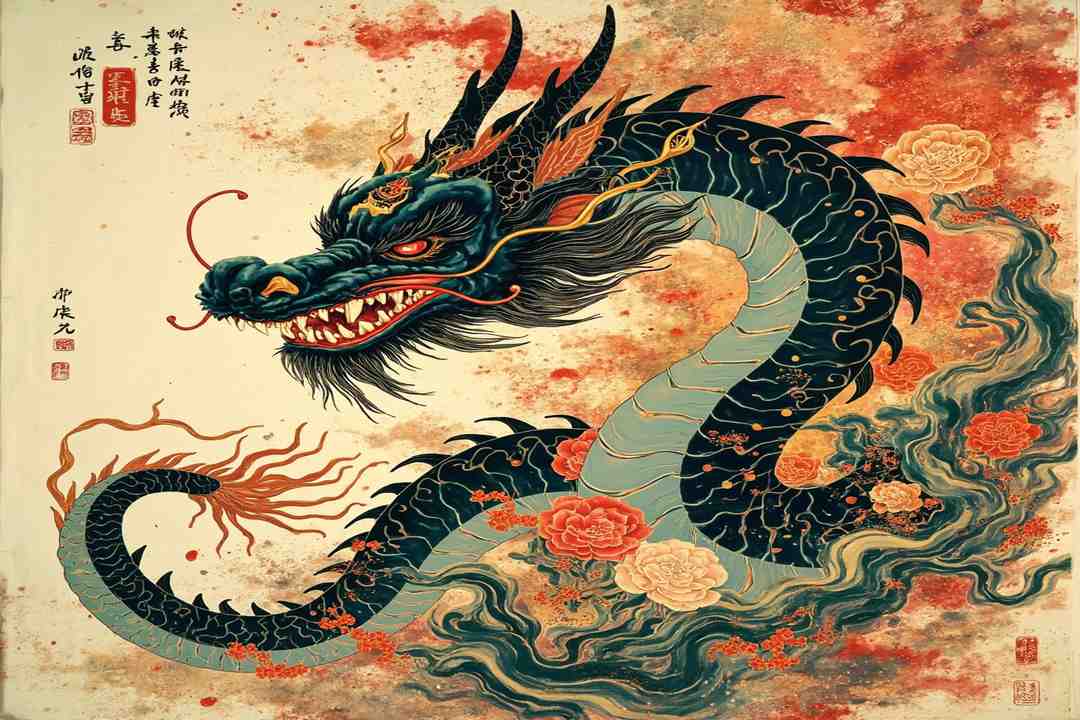
When exploring the rich tapestry of Chinese folklore, few phrases capture the imagination quite like chinese mythology myth creatures, a term that evokes a world of legendary beasts, divine beings, and fantastical entities that have shaped cultural beliefs for millennia. These creatures are not mere figments of fantasy; they are woven into the fabric of ancient texts, rituals, art, and even modern popular culture, offering a window into how ancient Chinese people understood the natural world, morality, and their place in the cosmos.
For centuries, scholars, storytellers, and artists have preserved tales of these beings, each with unique attributes that reflect core values like courage, good fortune, and balance.
The Story Behind chinese mythology myth creatures
The roots of chinese mythology myth creatures stretch back over two thousand years, with the earliest systematic records appearing in the *Classic of Mountains and Seas* (Shan Hai Jing), a text compiled during the Warring States period (475–221 BCE) and expanded in the Han dynasty (206 BCE–220 CE). This ancient work is a collection of geographic descriptions, mythic tales, and creature catalogs, listing over 400 legendary beings—from the massive Kun Peng, a creature that transforms from a giant fish into a bird with wings spanning like clouds, to the Nine-Tailed Fox (Huli Jing), a shapeshifting spirit often associated with wisdom or mischief.
Beyond the Shan Hai Jing, other texts like the *Book of Songs* (Shijing) and *Zhuangzi* (a foundational Taoist text) further elaborate on these creatures, embedding them into philosophical and poetic narratives. For example, Zhuangzi uses the Kun Peng to illustrate the concept of freedom from worldly constraints, framing the creature as a metaphor for the potential of the human spirit.
During the Han dynasty, these myth creatures became central to imperial symbolism: the dragon (Long) was adopted as the emblem of the emperor, representing power and prosperity, while the Qilin—a gentle, deer-like creature with a single horn—was seen as a bringer of good fortune and a sign of a virtuous ruler’s reign. Over time, these tales spread across China, integrating into local folk beliefs, festivals, and art, such as the carvings on temple pillars and the decorations on traditional clothing.
What chinese mythology myth creatures Really Means
At its core, the phrase “chinese mythology myth creatures” refers to the diverse array of legendary beings that populate traditional Chinese myths and folklore, distinct from real animals or historical figures. Unlike Western myth creatures, which often fall into clear categories (e.g., angels, demons, dragons), Chinese myth creatures are far more nuanced, with many holding dual or contradictory roles.
For instance, the Taotie—a gluttonous, one-eyed monster depicted on ancient bronze vessels—symbolizes the danger of excess, while the Phoenix (Feng Huang), a bird of paradise, represents harmony and renewal, appearing in tales of imperial ascension and cultural rebirth. A common mistake that learners make when discussing these creatures is assuming all are malevolent or terrifying; in reality, a large number are benevolent, serving as protectors, guides, or omens of good luck.
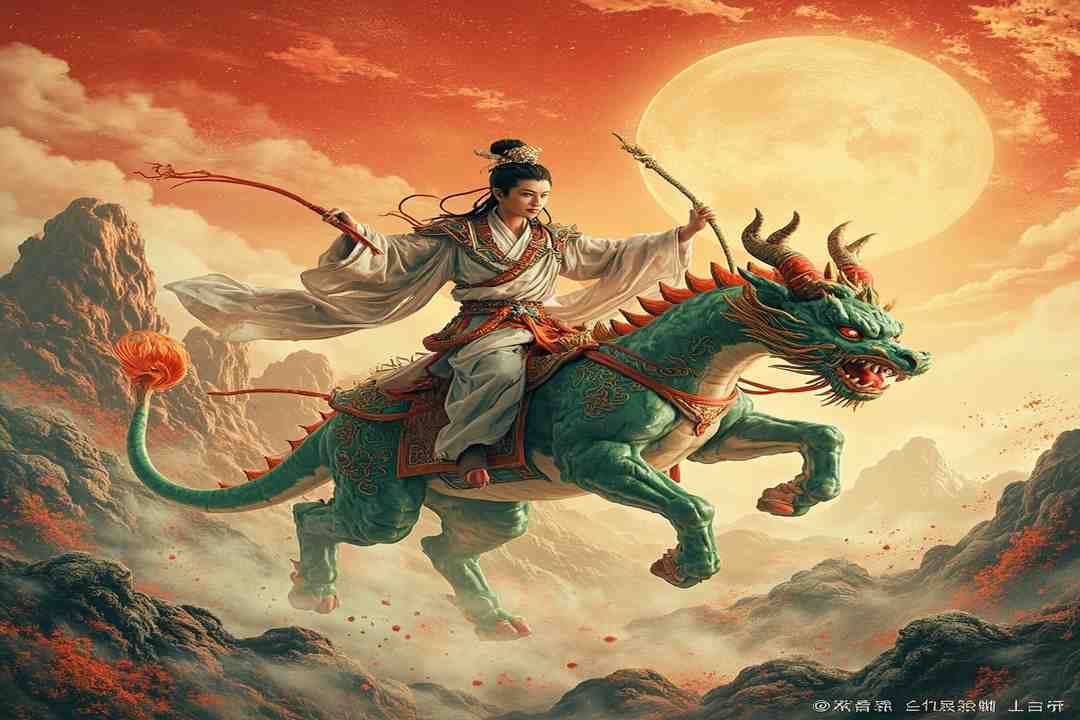
For example, the Pixiu—a creature with the head of a dragon and the body of a lion—is believed to ward off bad fortune and attract wealth, making it a popular symbol in Chinese culture today. Another point of confusion is that the phrase is often used broadly to include both divine beings (like the Jade Emperor) and more earthly spirits (like mountain or river spirits), though it is most commonly associated with the iconic beasts that have captured global attention.
How to Use chinese mythology myth creatures in Conversation
The phrase “chinese mythology myth creatures” is flexible, used in casual, academic, and creative contexts to evoke cultural depth or ancient wonder. Here are four practical examples of its usage:
- Casual discussion: “I just binged a documentary about chinese mythology myth creatures—did you know the Kun Peng’s story is about how even the biggest dreams start small?”
- Academic context: “In her thesis, Dr. Li argues that the portrayal of chinese mythology myth creatures in the Shan Hai Jing reflects ancient Chinese attitudes toward environmental stewardship, as many creatures are tied to specific landscapes.”
- Cultural education: “When teaching my students about Chinese New Year, I like to show them art featuring chinese mythology myth creatures to explain the holiday’s symbolic roots.”
- Creative writing: “The fantasy novel I’m working on draws heavily from chinese mythology myth creatures, with a Qilin guiding the protagonist on a quest to restore balance to a magical realm.”
Usage tips: The phrase is most effective when used to reference the broader category of myth beings; for specific creatures, more precise terms (e.g., “Nine-Tailed Fox”, “Kun Peng”) are preferable. Learners should also avoid overgeneralizing, as not all myth creatures align with common stereotypes.
Why chinese mythology myth creatures Matters Today
In recent years, chinese mythology myth creatures have experienced a renaissance in global popular culture, thanks in part to films like *Ne Zha* (2019), which features the powerful thunder god Ne Zha, and *Jiang Ziya* (2020), which centers on the mythic sage. These works have introduced millions of people worldwide to these legendary beings, sparking interest in Chinese culture and folklore beyond basic stereotypes.
Beyond entertainment, these creatures play a key role in tourism: historical sites like the Forbidden City are adorned with carvings of dragon and phoenix, drawing visitors eager to connect with their symbolic meaning. In language education, resources for learning Chinese often include lessons on myth creatures, as they provide engaging ways to teach vocabulary and cultural context.
For Chinese communities around the world, these creatures remain a link to their heritage: during festivals like the Lantern Festival, lanterns shaped like Qilin, dragons, and phoenix are displayed, keeping ancient traditions alive for younger generations. Additionally, many global brands have incorporated these creatures into their marketing, recognizing their ability to convey positive values like strength, good fortune, and harmony.
Related Idioms
The study of chinese mythology myth creatures has given rise to several common Chinese idioms that are widely used in everyday speech, each tied to the symbolic weight of these legendary beings:
- Long Teng Hu Yue (Dragon Soaring, Chinese Mythology Myth Creatures Tiger Leaping): This idiom refers to a dynamic, energetic scene or a period of rapid development. It draws on the dragon (a core myth creature of imperial power) and the tiger (a powerful animal often associated with courage in Chinese folklore), symbolizing vitality and progress.
- Ji Xiang Ru Yi (Good Luck as You Wish): While not directly tied to a single creature, this idiom is closely linked to symbols like the Qilin and Phoenix, which are omens of good fortune. It is often used to wish someone prosperity and success, reflecting the positive connotations of these myth beings.
- Hu Li Jing (Nine-Tailed Fox): This idiom refers to a cunning, Chinese Mythology Myth Creatures seductive person, rooted in the myth of the Nine-Tailed Fox, a shapeshifting spirit that can take human form to test or manipulate others. It is a common phrase in both formal and informal speech, highlighting how myth creatures have seeped into everyday language.
- Qilin Song Zi (Qilin Sends a Son): This idiom is used to wish a couple an early birth of a healthy child, referencing the Qilin’s role as a bringer of good fortune and new life in Chinese mythology.
Frequently Asked Questions
What is the origin of chinese mythology myth creatures?
Chinese mythology’s myth creatures have their roots in ancient Chinese folk beliefs, particularly nature worship (such as reverence for celestial and terrestrial forces like rain, mountains, and forests) and ancestor cults, dating back to the Shang and Zhou dynasties (c. 1600–256 BCE). Early written records like the *Shan Hai Jing* (Classic of Mountains and Seas, compiled around the 4th century BCE to 2nd century CE) formalized many of these creatures, blending local legends with later influences from Taoism and Buddhism, which added new mythic beings and reimagined existing ones.
What are the main characters in chinese mythology myth creatures?
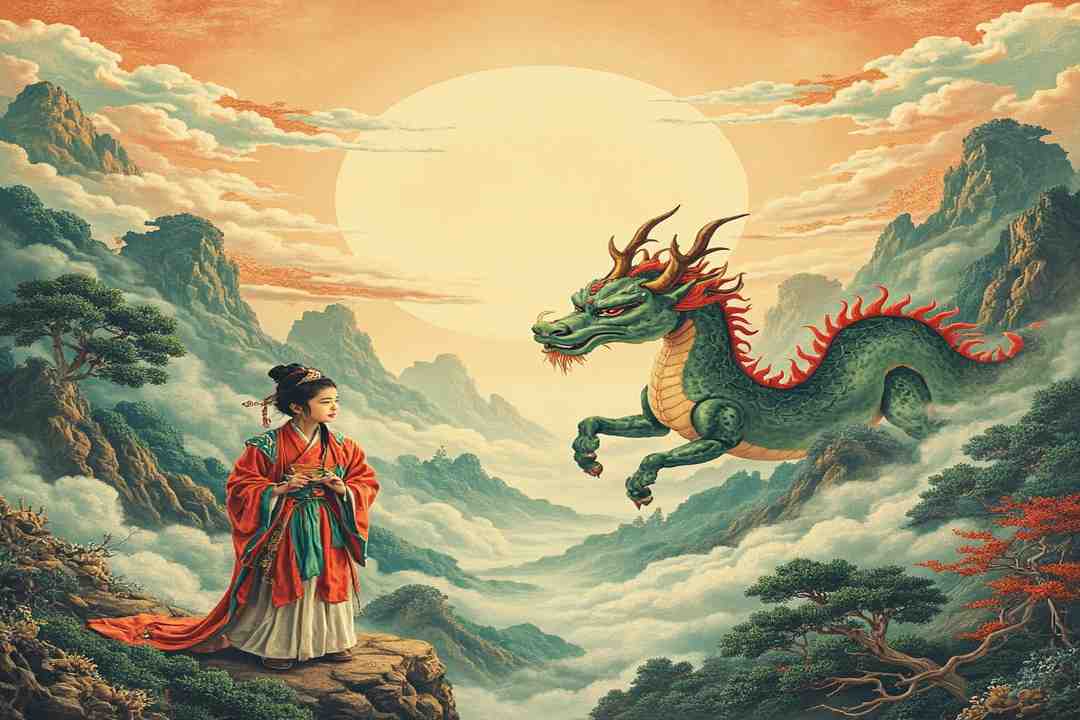
Key myth creatures in Chinese mythology include: the Long (Dragon), a symbol of imperial power, water, and good fortune, often depicted as a benevolent guardian; the Fenghuang (Phoenix), representing harmony, prosperity, and the union of yin and yang; the Qilin (Kirin), a gentle, deer-like creature that signals peace and the arrival of a wise ruler; the Nian, a monster that terrified villagers until it was driven away, inspiring Spring Festival traditions; and Huli Jing (fox spirits), shape-shifting beings from Taoist tales, sometimes tricksters or seductresses, often teaching lessons about desire and deception.
What is the moral lesson of chinese mythology myth creatures?
Chinese myth creatures carry core moral lessons tied to cultural values: respect for nature (dragons are linked to weather, teaching humans to honor natural cycles), benevolence and justice (Qilin punishes the wicked and rewards the virtuous), balance between humans and the supernatural (creatures remind people of their place in the cosmic order), and caution against greed or dishonesty (many tales of Huli Jing warn against letting desire cloud judgment). They also emphasize the importance of harmony in society, as seen in the Fenghuang’s association with peace and good governance.
How is chinese mythology myth creatures celebrated in modern China?
Modern China celebrates myth creatures through various cultural practices: Dragon dances are performed during the Spring Festival, Lantern Festival, and Dragon Boat Festival to bring good luck and ward off evil. Fenghuang and Qilin motifs appear on traditional clothing, wedding decor, and public art, symbolizing prosperity and harmony. Popular media, such as animated films like *Ne Zha* and *Jiang Ziya*, feature myth creatures to engage younger audiences. The Chinese zodiac, with the Dragon as a central sign, also influences cultural attitudes, with many people eager to have children in Dragon years for perceived good fortune.
What are similar myths to chinese mythology myth creatures?
Similar mythic beings within Chinese mythology come from classic literary works that build on earlier folk traditions. For example, *Journey to the West* (16th century) features creatures like Sun Wukong the Monkey King (a powerful, shape-shifting demigod), Zhu Bajie the Pig Demon, and various celestial/earthly monsters that challenge the pilgrims, sharing themes of supernatural power and human growth. *Fengshen Yanyi* (Investiture of the Gods, also 16th century) adds creatures like the Nine-Headed Pheasant Demon and Azure Ox Demon, which fit the same pattern of mythic beings interacting with gods and humans to shape cosmic order, making them part of the broader Chinese mythic tapestry alongside earlier figures from the *Shan Hai Jing*.
Chinese Mythology Fox Spirit: Meaning, Stories and Symbolism 7 Fascinating Facts About Chinese Mythology Mercy Goddess 7 Fascinating Facts About Chinese Mythology Picture Book Tha Wikipedia
Enjoyed this story? Share it!
🐦 Share on Twitter📚 Related Books
Explore more Chinese mythology stories in our curated collection