The Enchanting World of Chinese Mythology Picture Book: A Journey Through Ancient Tales
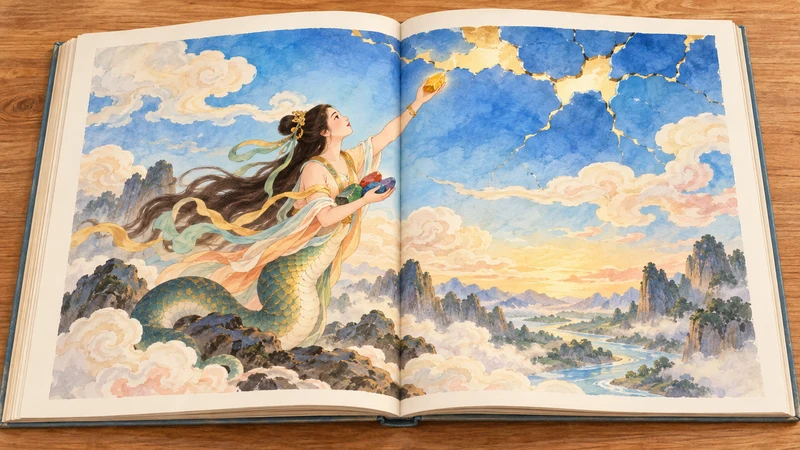
A Chinese mythology picture book retells myths, legends, or folk tales through words and illustrations. The drawings help readers follow characters and events, while the choice of edition determines the reading level and source tradition.
Chinese mythological subjects also appear in murals and scroll paintings. Those visual traditions provide context for illustrated retellings, but they do not establish a single uninterrupted history of modern picture books.
What makes Chinese mythology picture books compelling is their ability to transform complex, multi-layered myths into accessible visual narratives. A young reader flipping through the pages might encounter the mighty Jade Emperor ruling from his celestial palace, discover the heroic journey of the Monkey King, or witness the tragic love story of the Cowherd and the Weaver Girl.
Each picture book becomes a bridge connecting modern audiences to older stories. The age and source of those stories differ.
What Defines a Chinese Mythology Picture Book?
Chinese mythology picture books adapt classical myths, legends, and folk tales into visual narratives. Illustrations may use watercolor, ink, digital art, or other techniques; some editions add bilingual text or cultural notes.
Choose the age range and reading level stated for the particular edition; illustration alone does not make every mythology book suitable for preschool readers.
Retellings may draw from the Classic of Mountains and Seas, Investiture of the Gods, Journey to the West, or regional folklore. A useful edition identifies which tradition it adapts.
The quality varies widely, from mass-produced paperbacks to limited edition art books featuring the work of master illustrators.
The Legendary Stories Found in Chinese Mythology Picture Books
One recurring subject is Nuwa repairing the damaged sky. A retelling should distinguish this episode from stories about the creation of humanity.
In the Huainanzi’s Lanming chapter, Nuwa melts five-colored stones to repair the sky and uses the great turtle Ao’s legs to support the four extremities. This passage does not say she sacrifices her immortality.
Hou Yi’s shooting of the suns is another subject for retelling. The Benjing chapter of the Huainanzi describes ten suns scorching the world and Yao ordering Yi to shoot at the suns; retellings should distinguish this passage from details added in other versions.
In picture-book retellings, this story teaches children about the dangers of excess and the importance of balance in nature.
The White Snake tale concerns a snake spirit who takes human form and falls in love with a mortal man. Its versions differ, so a picture book should identify its retelling rather than claim one definitive original.
Popular retellings explore love, transformation, and boundaries between human and supernatural worlds. The details depend on the version.
The Cultural Significance of Visual Mythology
Chinese mythology picture books serve crucial educational and cultural functions beyond mere entertainment. These books introduce children to foundational concepts in Chinese philosophy—the balance of yin and yang, the importance of harmony with nature, and the relationship between human virtue and cosmic order.
When a child reads about the four sacred beasts (Azure Dragon, White Tiger, Vermilion Bird, and Black Tortoise) guarding the heavens, they absorb geographical and cosmological knowledge that has shaped Chinese civilization for millennia.
The visual format proves particularly important for preserving mythological details that might otherwise be lost in translation. Traditional Chinese painting techniques emphasize flowing lines, symbolic colors, and compositional balance that communicate meaning beyond literal representation.
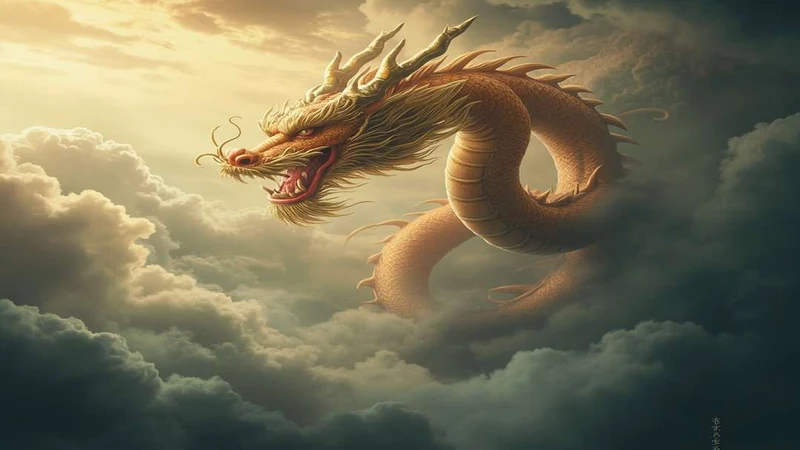
An illustrator’s choices of costume, color, and setting can communicate a water deity’s role. Those choices should not be treated as attributes required by every Dragon King story.
Grandparents and parents often share mythology picture-book reading sessions as bonding rituals, passing down stories their own ancestors told. This intergenerational sharing maintains cultural continuity across decades of rapid modernization and urbanization.
In diaspora communities worldwide, these books become precious links to ancestral homelands and ethnic identity.
Chinese Mythology Picture Book in Modern Media
Publishing continues in print and digital formats. One documented illustrated collection is Chinese Myths and Legends by Shelley Fu, illustrated by Patrick Yee. Tuttle’s 2018 hardcover contains seven stories, including Pangu, Nuwa, and the White Snake, and supplies background on their origins and further reading. It is an illustrated collection, not evidence that every edition follows the same picture-book format.
Where to Experience These Stories Today
Libraries, bookstores, and publisher catalogues are useful starting points. Check a book’s author, illustrator, stated audience, contents, and source notes before choosing it. The publisher’s description of Chinese Myths and Legends demonstrates how to inspect those details.
Related reading: Chinese Mythology Sun Wukong; Chinese Mythology Chang E; Chinese Mythology Pangu; Wikipedia
Frequently Asked Questions
What age group are Chinese mythology picture books designed for?
It depends on the edition. Check the publisher’s audience and reading-level information rather than assuming all illustrated mythology is for ages four to eight.
Are these books faithful to classical sources?
Retellings often simplify and select material. Check named sources and notes, and compare a particular episode with its source text.
Why do their visual styles differ?
Artists may draw on ink painting, calligraphy, folk art, watercolor, or digital illustration. There is no single required style.
Can these books help children learn about Chinese culture?
They can introduce stories, names, vocabulary, and cultural questions. Shared reading works best when imaginative illustrations are distinguished from historical objects and religious practice.
How can readers check a book’s sources?
Look for information about the stories’ origins and further reading. Tuttle’s Chinese Myths and Legends describes both in its publisher listing; evaluate each edition separately.
Enjoyed this story? Share it!
🐦 Share on Twitter📚 Related Books
Explore more Chinese mythology stories in our curated collection