A chinese mythology comparison norse should not begin by asking which Chinese god is the same as Odin or which creature is the same as a Norse dragon. That approach is too narrow. A better comparison asks how each tradition explains power, danger, fate, death, heroes, monsters, and the relationship between humans and the unseen world.
Quick Answer
A chinese mythology comparison norse works best when it compares story functions rather than direct equivalents. Chinese mythology often blends cosmic order, local spirits, ancestors, immortals, dragons, and moral repair, while Norse mythology often emphasizes gods under fate, heroic courage, giants, world-ending conflict, and memory after death.
Basic Facts
- Topic: Comparing Chinese and Norse myth systems.
- Best use: Students, mythology readers, teachers, and cultural comparison pages.
- Main check: Compare roles and story purposes before comparing names.
- Common mistake: Treating one creature or god match as a complete comparison.
Quick reference: chinese mythology comparison norse = divine order + dragon meaning + hero test + fate idea + afterlife memory.
Why Direct Matches Are Usually Misleading
Simple comparison tables are easy to read, but they often make both traditions look flatter than they are. A chinese mythology comparison norse needs to respect difference. Chinese mythic material comes from early cosmology, folk religion, Daoist immortals, Buddhist influence, local temples, classical fiction, ancestor memory, and regional storytelling. Norse mythology comes through poems, sagas, later manuscripts, heroic material, and a world shaped by gods, giants, fate, and final conflict.
That difference changes the questions a reader should ask. In Chinese stories, a figure may protect a town, organize cosmic order, defeat demons, teach moral conduct, or become remembered through ritual practice. In Norse stories, a figure may face fate, protect a hall, seek wisdom, fight giants, guard treasure, or prepare for a doomed but meaningful conflict. These are not identical story engines.
Divine Order: Heavenly Bureaucracy and Gods Under Fate
Chinese mythology often places divine power inside a larger order. The Jade Emperor, heavenly officials, local gods, ancestors, immortals, and underworld judges may appear in different layers of tradition. Authority can be connected with office, ritual, moral merit, and cosmic balance. This makes Chinese divine order feel organized even when individual stories are dramatic.
Norse mythology often gives the gods powerful personalities, but those gods are not outside fate. Odin seeks wisdom because knowledge matters in a world moving toward Ragnarok. Thor protects gods and humans from giants, but strength does not erase destiny. Loki creates disorder that cannot be contained forever. A chinese mythology comparison norse should therefore compare Chinese order with Norse fate instead of simply matching rulers.
Dragons and Monsters
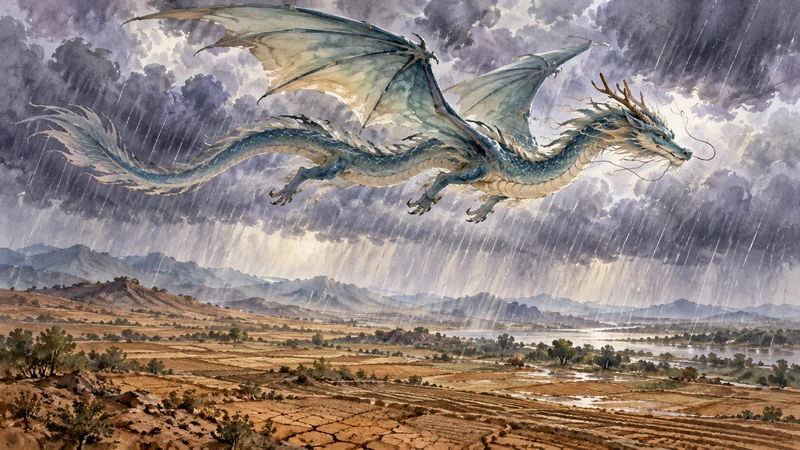
Dragons are the most tempting comparison. Chinese dragons are often linked with water, rain, imperial power, cosmic vitality, and auspicious presence. They can be dangerous, but they are not automatically monsters. In many contexts, they mark authority and life-giving force. This is why a Chinese dragon on a temple, robe, or story page does not mean the same thing as a beast guarding treasure.
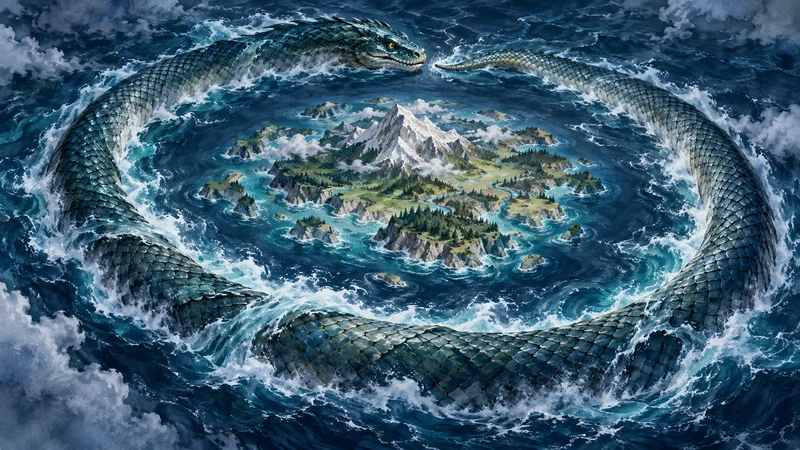
Norse dragons and serpent figures often carry a darker story function. Fafnir is tied to greed and cursed treasure. Jormungandr surrounds the world and belongs to a final cosmic conflict. Nidhogg gnaws at the world tree in some traditions. These figures show danger, boundary, corruption, and the pressure of fate. A chinese mythology comparison norse should explain that both traditions use powerful nonhuman beings, but the moral and symbolic direction differs.
Heroes, Tests, and Moral Meaning
Norse heroes are often remembered through courage under pressure. They may win fame, lose everything, or face a destiny that cannot be escaped. The value is not always survival. Sometimes the value is loyalty, courage, memory, and the way a person stands before the inevitable.
Chinese heroic figures can work through a different set of values. Yu the Great controls floods and organizes the world. Nezha struggles with family, power, and transformation. Erlang Shen defeats dangerous forces with disciplined ability. Zhong Kui protects against demons after injustice. These stories often ask how disorder can be repaired, how loyalty should be understood, or how power becomes useful to a community.
Afterlife, Ancestors, and Memory
The afterlife is another useful comparison point. Chinese traditions include ancestor veneration, underworld courts, ghost beliefs, ritual care, and moral consequences. The dead may remain connected to family, place, and obligation. Mythology, religion, and household memory often overlap.
Norse material includes Hel, Valhalla, Folkvangr, burial memory, and heroic reputation. Death can be frightening, honorable, or tied to the final destiny of gods and humans. A chinese mythology comparison norse should not reduce this to a simple heaven-and-hell chart. The better question is how each tradition keeps the dead meaningful to the living.
A Practical Way to Teach the Comparison
For a classroom or self-study guide, use five columns: divine order, monster role, hero test, fate or moral law, and afterlife memory. Put one Chinese example and one Norse example in each row. Then write one sentence explaining both similarity and difference. This method prevents shallow matching and creates a stronger answer than a simple list.
For source context, Britannica’s overview of Germanic religion and mythology is a useful entry point for Norse material. For Chinese context on this site, readers can continue with Chinese dragon mythology and Chinese mythology Erlang Shen.
The best conclusion is careful: Chinese and Norse mythology both use gods, monsters, heroes, and death stories, but they organize meaning differently. A strong chinese mythology comparison norse preserves that difference while still giving readers a clear comparison.
How to Build a Better Comparison Table
A chinese mythology comparison norse table should not begin with names alone. The better columns are function-based: divine order, monster role, hero test, fate or moral law, and afterlife memory. Under divine order, compare the Chinese heavenly bureaucracy with Norse gods who still face destiny. Under monster role, compare Chinese dragons and spirits with Norse dragons, giants, and world-serpents. Under hero test, compare repair of disorder with courage under fate.
This method gives readers a clearer answer because it explains why two figures feel similar without pretending they are identical. It also helps students write stronger paragraphs. Instead of saying a Chinese dragon is like a Norse dragon, a student can say both are powerful nonhuman beings, but Chinese dragons often connect with rain and auspicious order while Norse dragons often connect with danger, treasure, greed, or final conflict.
For site structure, the chinese mythology comparison norse topic can connect to dragon pages, Erlang Shen, Zhong Kui, underworld guides, and future comparison pages. It should become a bridge article, not an isolated curiosity.
Reading Difference Without Ranking Cultures
A chinese mythology comparison norse article should avoid ranking one tradition above the other. The goal is not to decide which mythology is older, darker, wiser, or more dramatic. The goal is to understand how different story worlds answer different pressures. Chinese stories often ask how order is repaired, how families remember the dead, how local powers protect a community, or how moral conduct shapes the unseen world. Norse stories often ask how courage behaves under fate, how gods prepare for loss, and how memory survives conflict.
This difference makes the comparison stronger. If a reader compares only creatures, the result is a shallow list. If a reader compares the problems each story solves, the result becomes meaningful. A dragon, a giant, a demon, or a spirit is never just a creature. It is a sign of what a culture fears, values, remembers, or hopes to control.
The practical takeaway is simple: use comparison to sharpen attention, not to erase difference. A chinese mythology comparison norse guide should help readers see both shared human concerns and distinct cultural patterns.
Common Questions
What does chinese mythology comparison norse mean?
It means comparing Chinese and Norse mythology by story function, divine order, monsters, fate, and cultural values instead of forcing exact matches.
Are Chinese dragons like Norse dragons?
Only partly. Both can be powerful symbolic beings, but Chinese dragons are often linked with order, water, and auspicious power, while Norse dragons often mark danger, greed, or heroic testing.
Can the Jade Emperor be compared with Odin?
They can be compared as authority figures, but their roles, story worlds, and religious contexts are different.
Why do simple comparison charts fail?
They usually ignore local worship, textual history, heroic cycles, and the different moral questions each tradition asks.
What is the best comparison method?
Compare divine order, hero tests, monster roles, fate, afterlife, and community values with specific story examples.
For a final study note, readers should choose one Chinese story and one Norse story, then write a single comparison sentence that names both the similarity and the difference. That habit keeps the comparison accurate, useful, and respectful.
This keeps the reading clear for students and general readers.
Enjoyed this story? Share it!
🐦 Share on Twitter📚 Related Books
Explore more Chinese mythology stories in our curated collection