chinese mythology spiritual animals essential guide

chinese mythology spiritual animals represent one of the most fascinating and enduring aspects of ancient Chinese belief systems.

These divine creatures have guarded emperors, delivered wise counsel,

and symbolized the deepest values of Chinese civilization for over three thousand years.

Unlike mere animals, they possessed supernatural powers, spoke with human voices,

and intervened in the affairs of mortals when the cosmic balance demanded it.

Today, these legendary beings continue to captivate audiences worldwide through films, video games, and art,

proving that their spiritual significance transcends time.

chinese mythology spiritual animals essential guide

Who Were Chinese Mythology Spiritual Animals?

Chinese mythology spiritual animals were not ordinary creatures.

They were divine beings endowed with extraordinary powers, intelligence, and spiritual significance.

The ancient Chinese categorized these sacred animals into several groups: the Four Divine Beings (Si Xiang),

the Four Auspicious Beasts, and countless individual spirits that guarded mountains, rivers, and the imperial palace itself.

The most famous spiritual animals include the Qilin, often called the Chinese unicorn,

which appeared only during the rule of a virtuous emperor or when a great sage was born.

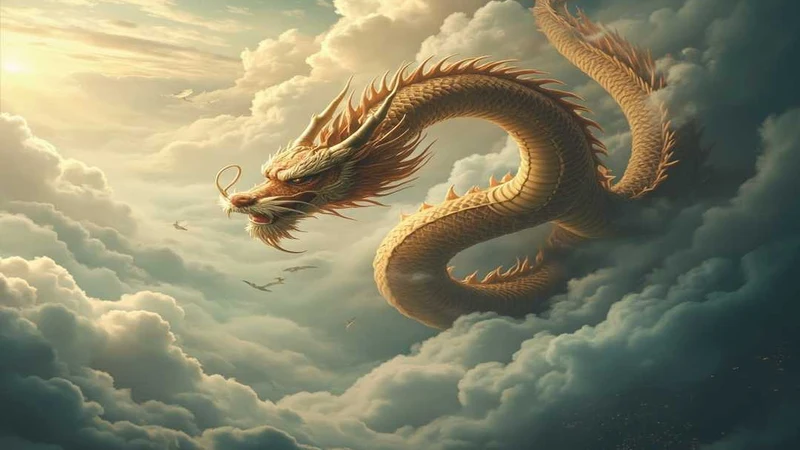
The Azure Dragon ruled the Eastern heavens and controlled rain and storms.

The Phoenix (Fenghuang) represented grace, virtue, and the empress herself.

The White Tiger guarded the West and symbolized military prowess.

These creatures possessed the ability to speak human languages, transform their appearances,

and travel between the mortal world and the celestial realms.

Ancient texts describe these animals with remarkable specificity.

The *Shan Hai Jing* (Classic of Mountains and Seas),

Chinese Mythology Spiritual Animals compiled during the Warring States period (475-221 BCE), provides detailed descriptions of hundreds of spiritual animals, their habitats, and their supernatural properties.

A Qilin, for instance, was described as having the body of a deer, the tail of an ox,

and a single horn capped with flesh—its hooves never touched grass, and it walked without disturbing a single blade.

The Legendary Story of Chinese Mythology Spiritual Animals
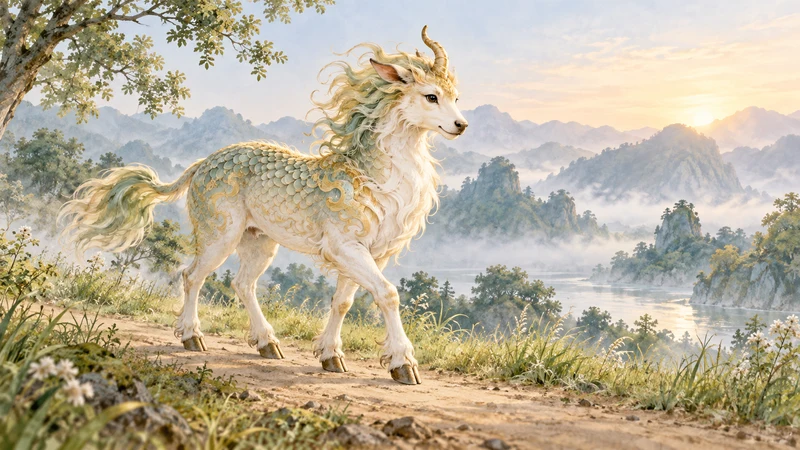
The most celebrated tale involving chinese mythology spiritual animals concerns the legendary Emperor Yao and his encounter with the Qilin around 2100 BCE.

According to the *Book of Rites* and other classical texts, Emperor Yao ruled during a period of great floods.

His virtue was so pure that the Qilin, a creature that rarely appeared, descended from the heavens to graze in his courtyard.

chinese mythology spiritual animals concepts

The *Zuo Zhuan* (Commentary of Zuo) records this momentous event: “In the reign of Yao, Chinese Mythology Spiritual Animals a Qilin came, grazing in the outskirts. The emperor ordered the imperial carriage pursued it, but could not catch it.” This story emphasizes that even the most divine creatures cannot be captured by force—they come only to those worthy of their presence.

Another powerful tale involves the Azure Dragon and the Yellow River.

According to legend, the great dragon resided in the Luo River and appeared to Fu Xi,

the mythological emperor who invented writing, bringing him the sacred symbols that became the *He Tu* (River Diagram).

This divine communication gave humanity the foundational principles of cosmology and divination.

Perhaps the most unexpected tale comes from the *Records of the Grand Historian* by Sima Qian (145-90 BCE).

He describes how a spiritual deer saved the life of Emperor Gaozu of Han during his rebellion against the Qin dynasty.

The deer allegedly blocked the path of pursuers, Chinese Mythology Spiritual Animals allowing Gaozu to escape.

This “holy deer” was later considered an omen of divine favor,

cementing the connection between spiritual animals and imperial legitimacy.

The Deeper Meaning Behind Chinese Mythology Spiritual Animals

The ancient Chinese told these stories not merely as entertainment. Chinese mythology spiritual animals embodied fundamental beliefs about cosmic harmony, moral governance, and the relationship between humans and nature.

The *Four Auspicious Beings* represented the cardinal directions, Chinese Mythology Spiritual Animals seasons,

and elemental forces.

The Azure Dragon symbolized spring and wood; the White Tiger represented autumn and metal; the Vermilion Bird embodied summer and fire; the Black Tortoise signified winter and water.

By honoring these creatures, ancient Chinese believed they maintained balance with the natural world.

The appearance of a spiritual animal in the human realm carried profound meaning.

A Qilin at someone’s door signified that a child of exceptional virtue and future greatness had been born.

A phoenix’s song promised an era of peace and prosperity.

These creatures served as moral compass points—reminding emperors that their power depended on virtue,

and that the heavens would withdraw their favor if rulers became corrupt.

Confucian scholars interpreted these stories through ethical frameworks.

Chinese Mythology Spiritual Animals Mencius (372-289 BCE) argued that the appearance of the Qilin proved that human nature contained inherent goodness—a universal moral force that even animals could recognize.

Daoist priests saw the creatures as manifestations of spiritual energy (qi) taking physical form.

Buddhist thinkers incorporated them into their cosmology as beings existing between the mortal and pure land realms.

Chinese Mythology Spiritual Animals in Modern Culture

Today, chinese mythology spiritual animals dominate global entertainment.

The Disney film *Mulan* (2020) features the Mushu dragon, a playful reinterpretation of traditional dragon spirits.

The Netflix series *The Witcher* and *Shadow and Bone* incorporate Qilin-inspired creatures.

Video games like *Assassin’s Creed* and *Ghost of Tsushima* showcase Chinese and Japanese spiritual animals to audiences numbering in the millions.

Perhaps nowhere is their influence more visible than in the mobile game *Honor of Kings*,

Chinese Mythology Spiritual Animals developed by Tencent.

The game features entire character classes based on the Four Auspicious Beings,

with special abilities reflecting their mythological powers.

In 2023, the game reported over 100 million daily active players, many drawn to characters embodying these ancient creatures.

The 2022 Beijing Winter Olympics opening ceremony featured massive puppet representations of the Four Divine Beings, choreographed to represent China’s cultural heritage. This deliberate choice connected two billion viewers to spiritual animals that once appeared only in imperial courts and sacred texts.

Fashion and luxury brands have also embraced these creatures.

Brands like Versace and Dolce & Gabbana have incorporated dragon and phoenix motifs into their collections.

Traditional Chinese luxury jeweler Chow Tai Fook created a line of Qilin-inspired pieces retailing for tens of thousands of dollars, Chinese Mythology Spiritual Animals appealing to collectors who appreciate both ancient symbolism and contemporary design.

How to Experience Chinese Mythology Spiritual Animals Today

Visitors to China can witness these legendary creatures in numerous sacred spaces.

The Forbidden City in Beijing houses thousands of dragon carvings,

including the famous Dragon Throne where emperors sat beneath nine-dragon paintings.

The imperial palace represents perhaps the world’s largest gallery of spiritual animal art.

The Temple of Heaven in Beijing features intricate carvings of phoenixes and dragons symbolizing the relationship between heaven and earth. Every year, Chinese Mythology Spiritual Animals millions practice traditional exercises like Tai Chi in these spaces, continuing practices that ancient Chinese believed connected them to the spiritual energy these animals embodied.

Museums worldwide hold exceptional collections.

The British Museum displays bronze ritual vessels from the Shang dynasty (1600-1046 BCE) featuring animal spirits.

The Metropolitan Museum of Art in New York houses Tang dynasty paintings depicting celestial horses and mythical creatures.

The Shanghai Museum contains the world’s most comprehensive collection of jade animals,

including Qilin and dragons carved from precious stone.

For those unable to travel, Chinese Mythology Spiritual Animals digital archives now make classical texts like the *Shan Hai Jing* accessible online. The Chinese National Library has digitized hundreds of manuscripts featuring spiritual animals, allowing researchers and enthusiasts to explore these ancient beliefs from anywhere in the world.

Frequently Asked Questions

What are the Four Auspicious Beings in Chinese mythology? The Four Auspicious Beings (Si Xiang) are the Azure Dragon (Qing Long), White Tiger (Bai Hu), Vermilion Bird (Zhu Que), and Black Tortoise (Xuan Wu).

They represent the four cardinal directions, seasons, and elemental forces.

Each creature was believed to guard a specific realm of the heavens and provide protection to those born under its influence.

Why is the Qilin considered the most sacred animal? The Qilin appeared so rarely that its sighting was considered an event of cosmic significance.

Classical texts record only a handful of appearances,

Chinese Mythology Spiritual Animals always during the rule of a perfectly virtuous ruler.

The creature was believed to judge human character—only approaching those of pure heart and walking so gently that it never harmed a single insect.

Do spiritual animals still hold religious significance today? Yes.

Many Chinese people continue to incorporate spiritual animal symbolism into weddings, business openings, and funerals.

The dragon and phoenix remain essential symbols in traditional ceremonies.

Feng Shui practitioners use animal figures to direct energy flow.

Temple festivals still honor these creatures through dance, music, and ritual.

How do Chinese spiritual animals differ from Western dragons? Western dragons typically represent chaos,

Chinese Mythology Spiritual Animals destruction, and evil—creatures to be conquered.

Chinese dragons symbolize power, wisdom, prosperity, and divine authority.

Chinese dragons breathe clouds rather than fire, live in oceans and rivers rather than caves,

and bring rain to nourish crops rather than destruction.

What is the strangest spiritual animal in Chinese mythology? The Bai Ze stands out as particularly unusual.

Described in the *Treatise on Barbarian Nations*,

this creature appeared only once in history—to Emperor Taichuan of the Qin dynasty around 200 BCE.

It had the body of a white horse with a single horn and spoke with a human voice,

offering detailed prophecies about future events.

Can ordinary people see spiritual animals in dreams? According to classical Chinese dream interpretation texts (*Zhouyi*), Chinese Mythology Spiritual Animals spiritual animals appearing in dreams carried profound meaning.

Dragons signified upcoming promotion or great opportunity.

Phoenixes predicted marriage or female offspring of exceptional quality.

Dreaming of a Qilin suggested divine favor was about to manifest in one’s life.

One Last Tale

The most surprising story about chinese mythology spiritual animals comes from the *Jin Yong* novel *The Legend of the Condor Heroes*, which became required reading across East Asia.

In this fictional tale,

the ancient princess Guo Jing meets a wounded golden eagle that transforms into a human—the last surviving member of a race of spiritual birds.

This creative interpretation suggests that spiritual animals might still walk among us, disguised in ordinary forms.

This is precisely why these creatures endure.

Chinese mythology spiritual animals remind us that the world contains more than what eyes can see.

They call us to virtue, connect us to ancient wisdom, and inspire wonder across generations.

Whether carved on temple walls, rendered in blockbuster films, or tattooed on modern skin,

these divine beings continue to guardian human hearts with their eternal wisdom.

chinese mythology spiritual animals effectively

chinese mythology spiritual animals skills

Chinese Mythology Guardian Animals Chinese Mythology Shapeshifters Chinese Mythology Phoenix Wikipedia

Tags: chinese mythology spiritual animals

Enjoyed this story? Share it!

🐦 Share on Twitter

📚 Related Books

Explore more Chinese mythology stories in our curated collection

📖

Chinese Mythology Stories

10 Epic Tales with Pinyin & English

$14.9

View Details →
🐉

Dragon Tales Collection

9 Dragon Stories from Ancient China

$14.9

View Details →
🌙

Gods & Goddesses

Stories of China's Divine Beings

$9.9

View Details →