The chinese mythology sun god is a central figure in traditional Chinese folklore, weaving together themes of power, mortality, and cosmic order that have endured for millennia across East Asian cultures. Unlike the singular sun god in many Western mythologies, Chinese solar lore features a pantheon of solar deities, from the mother of the suns to the ten celestial suns themselves, each contributing to a rich tapestry of stories that have shaped language, art, and moral lessons.

For centuries, these tales have inspired idioms, metaphors, and cultural practices, making the concept of the chinese mythology sun god more than just a mythical character—it’s a symbol of humanity’s relationship to the sky, ambition, and the limits of human capability.

chinese mythology sun god essential guide

The Story Behind chinese mythology sun god

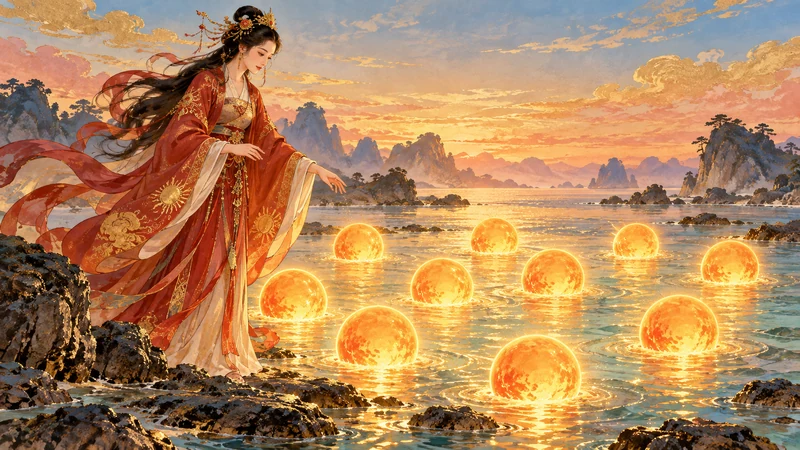
The origin of the chinese mythology sun god is documented in one of China’s oldest textual works, the *Shan Hai Jing* (Classic of Mountains and Seas), a compilation of myth, geography, and folklore written between the 4th and 2nd centuries BCE, spanning the Warring States period and early Han dynasty. The core story revolves around Xihe, a goddess revered as the mother of the ten suns.

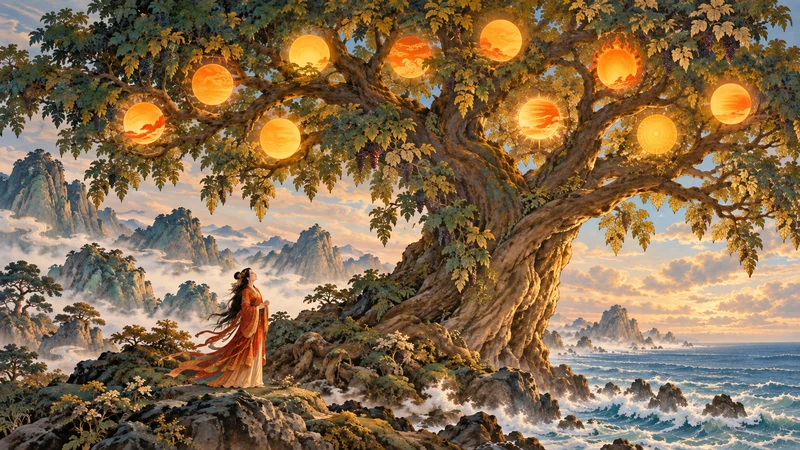
According to the text, Xihe dwelled in the Valley of Light, a sacred realm in the far east where the suns resided in the branches of a giant, golden mulberry tree called Fu Sang. Each day, Xihe would harness a chariot pulled by six dragons to carry one of her ten sun children across the sky, ensuring the world received light, warmth, and the cycle of day and night.

Tragedy struck when the ten suns grew bored of their routine and decided to cross the sky together. Their combined heat scorched the earth, burning crops to ash, drying up rivers and lakes, and killing countless humans and animals.

The people begged Emperor Yao, the wise ruler of ancient China, for help. Yao called upon Hou Yi, a divine archer gifted with unparalleled skill, to save the world.

Hou Yi climbed a sacred mountain, nocked nine arrows to his bow, and shot down nine of the ten suns, leaving only one to continue its daily journey. This act not only restored balance to the world but also cemented the legacy of the solar deities in Chinese myth: the remaining sun became the guardian of cosmic order, while the nine fallen suns became minor deities associated with natural phenomena.

Over time, Xihe and her sun children evolved into the collective concept of the chinese mythology sun god, representing both the destructive power of unbridled power and the heroic efforts needed to protect humanity.

What chinese mythology sun god Really Means

At its core, the idiom tied to the chinese mythology sun god is a metaphor that balances two contrasting ideas: the grandeur of divine power and the vulnerability of mortal ambition. In Chinese folklore, the sun god is not just a symbol of light—he represents the forces that govern life and death, creation and destruction.

When translated into idiomatic usage, the concept of the chinese mythology sun god carries several key meanings. First, it refers to an almost superhuman level of ambition, similar to the boldness of the suns in their daily journey across the sky.

Second, it can signify a heroic act that defies overwhelming odds, like Hou Yi’s mission to save the world from the scorching suns. Third, it serves as a reminder of the importance of balance: the suns’ mistake of overstepping their bounds (by all crossing the sky at once) teaches that even the most powerful forces must respect limits.

One common mistake learners make when using the idiom is misinterpreting its tone. Many people assume it is used to mock arrogance or excessive pride, but that is not its primary meaning.

For example, describing a friend’s goal to climb Mount Everest at 19 as “acting like the chinese mythology sun god” is not a jab at their ego—it is a recognition of their extraordinary courage. Using the idiom to describe someone who brags about trivial achievements or acts selfishly is a misapplication; it should be reserved for situations that require immense effort, sacrifice, and a willingness to take on challenges that most would deem impossible.

This mistake often arises from confusing Chinese mythic themes with Western idioms about hubris, such as “Pride goes before a fall,” which carries a more negative connotation.

How to Use chinese mythology sun god in Conversation

The idiom tied to the chinese mythology sun god is versatile, suitable for both formal and informal contexts, as long as it is used correctly to reference bold, ambitious, or heroic acts. Below are four practical examples of how to use it naturally in conversation:

  • When discussing a friend’s ambitious career goal: “My cousin is quitting her stable corporate job to start a nonprofit for rural education in underserved regions—her mission feels like the chinese mythology sun god, taking on a challenge that most organizations would avoid.”
  • When praising a community’s heroic efforts: “The volunteers who spent three days clearing debris from the flood-stricken town were as selfless as the deeds of the chinese mythology sun god in ancient tales, putting others before their own rest.”
  • When teasing a loved one about an overly ambitious hobby: “You want to build a treehouse that can fit your entire family and a guest room? That’s like channeling the chinese mythology sun god—do you have a blueprint or just a lot of determination?”
  • When analyzing a historical figure’s legacy: “Marie Curie’s work to discover radium, a feat that broke gender barriers in science, is often compared to the chinese mythology sun god’s courage, as she faced relentless discrimination while pushing the limits of human knowledge.”

Each example uses the idiom to highlight extraordinary effort or ambition, aligning with its true meaning rather than the common misinterpretation of arrogance.

Why chinese mythology sun god Matters Today

The concept of the chinese mythology sun god is far more than a relic of ancient folklore—it continues to resonate in modern culture, offering insights into ambition, balance, and cultural identity. In recent years, the idiom has been adopted in global media to represent underdogs overcoming systemic barriers, from startup founders disrupting industries to activists fighting for climate justice.

For Chinese communities around the world, the myth of the sun god serves as a link to their cultural heritage, a way to pass down lessons about courage and humility to younger generations.

In academic contexts, the idiom is often studied as a window into ancient Chinese views of cosmology and power. Unlike Western solar deities that are often portrayed as distant or vengeful, Chinese sun gods are deeply connected to human survival—their stories emphasize that divine power exists to serve humanity, not to rule over it.

This perspective has influenced modern conversations about leadership, encouraging people to embrace bold ambition while remaining accountable to the well-being of others. As cross-cultural exchange grows, the chinese mythology sun god has become a symbol of shared human values: the desire to overcome adversity, the importance of balance, and the courage to strive for something greater than oneself.

Related Idioms

Several Chinese idioms are closely related to the concept of the chinese mythology sun god, drawing from the same mythic traditions and symbolic themes:

  • Kuafu Zhuiri (夸父追日): Translated as “Kuafu Chasing the Sun,” this idiom refers to unwavering, relentless ambition, even in the face of certain failure. Like the sun god’s journey, Kuafu’s pursuit of the sun represents a willingness to sacrifice everything for a noble goal.
  • Hou Yi She Ri (后羿射日): “Hou Yi Shooting the Suns” is an idiom that describes heroic sacrifice for the greater good. It is often used to praise acts of bravery that protect others from harm, mirroring Hou Yi’s decision to shoot down the rogue suns to save humanity.
  • Xihe Yu Ri (羲和浴日): “Xihe Bathing the Suns” refers to responsible leadership and order. This idiom highlights the importance of staying within one’s bounds, as Xihe’s role as the suns’ caretaker ensured cosmic balance.

chinese mythology sun god concepts

Frequently Asked Questions

Q: Is the chinese mythology sun god the same as the Greek sun god Apollo?

A: No, while both are solar deities, their roles and traits differ significantly. Apollo is a singular god associated with music, prophecy, and sun light, often portrayed as distant and authoritative.

The chinese mythology sun god is a collective figure, tied to the well-being of humanity, with stories centered on balance and sacrifice rather than individual glory.

Q: Can the idiom be used in formal writing?

A: Yes, when used appropriately to reference ambitious projects, heroic acts, or cultural themes, the idiom adds depth and cultural context to formal writing, such as academic papers, speeches, or cultural commentaries.

Q: Are there any modern references to the chinese mythology sun god in popular culture?

A: Absolutely. The sun god has appeared in Chinese films, Chinese Mythology Sun God video games, and social media content.

For example, the 2021 animated film *Ne Zha* features a minor sun god character, and the idiom is often used in Chinese social media to celebrate athletes who break records, such as Olympic gold medalists.

One Last Thing

The concept of the chinese mythology sun god is more than just a set of ancient tales—it is a living metaphor that has evolved over thousands of years to reflect humanity’s own ambitions and struggles. Whether used to praise a heroic act, celebrate a bold goal, or teach a lesson about balance, this idiom connects us to the wisdom of our ancestors while remaining relevant to modern life.

By understanding its origin, meaning, and correct usage, we can not only appreciate the richness of Chinese mythology but also use it to add depth and nuance to our own conversations and writing.

chinese mythology sun god effectively

Chinese Mythology Kitchen God Chinese Mythology God Of Wealth Caishen Chinese Mythology Celestial Beings Wikipedia

Frequently Asked Questions

What is the origin of chinese mythology sun god?

The origin of Chinese sun god mythology traces back to prehistoric sun worship, evidenced by Neolithic artifacts such as Banpo culture pottery decorated with sun motifs, and formalized in Shang and Zhou Dynasty rituals that venerated the sun as a sacred celestial force tied to royal authority and agricultural fertility. Early mythic texts frame the sun as the offspring of Xihe, the primordial sun goddess who gave birth to ten three-legged golden crows (Jinwu) that traveled across the sky daily; later traditions merged these ten suns into a single sun deity to reflect cosmic order.

What are the main characters in chinese mythology sun god?

Key characters in Chinese sun god mythology include: 1. Xihe: The primordial sun goddess, mother of the ten sun crows, responsible for guiding each sun across the sky to maintain the day-night cycle. 2. The Golden Crows (Jinwu): Originally ten suns, each a three-legged crow; after the archer Hou Yi shot down nine rogue suns, the remaining crow became the sole sun deity, a guardian of cosmic balance. 3. Hou Yi: The skilled divine archer whose heroic act of shooting excess suns saved humanity from scorching heat, making him a central figure tied to sun myth narratives. Some Taoist traditions also associate the sun with Taiyi, the Great One, a supreme celestial deity governing life and destiny.

What is the moral lesson of chinese mythology sun god?

The core moral lessons of Chinese sun god mythology emphasize cosmic balance, respect for natural order, and accountability of power. The famous myth of the ten suns illustrates that excess or reckless behavior by powerful beings disrupts harmony—when the ten suns strayed from their path, they scorched the earth, threatening all life. This teaches moderation and alignment with natural rhythms. Additionally, the myth highlights the value of courageous action to protect vulnerable communities, as seen in Hou Yi’s choice to intervene when celestial chaos endangered humanity. It also reinforces that divine authority comes with responsibility, as celestial forces must serve the greater good rather than act arbitrarily.

How is chinese mythology sun god celebrated in modern China?

In modern China, the sun god is celebrated through traditional folk rituals, cultural events, and popular media. Traditional practices include sun-worshipping ceremonies held at Taoist temples during solstices (Winter and Summer Solstices), where participants offer prayers for good harvests, health, and cosmic harmony; these are particularly common in northern regions like Shandong and Beijing. Rural communities also host small local festivals honoring the sun, featuring dragon dances and offerings of grain. Additionally, sun god myths are popularized in contemporary media, such as animated films, graphic novels, and public art installations, ensuring these ancient stories remain relevant for younger generations.

What are similar myths to chinese mythology sun god?

Related myths in Chinese mythology to sun god narratives include: 1. The myth of Chang’e and Hou Yi: Closely tied to the ten suns story, this myth follows Hou Yi (the archer who shot nine suns) and his wife Chang’e, who flees to the moon after taking immortality elixir, creating a parallel celestial journey theme between the sun and moon. 2. The myth of Zhurong, the fire god: Since the sun is linked to the fire element in Chinese cosmology, myths about Zhurong (deity of fire, war, and the south) share thematic connections to the sun’s life-giving and powerful nature. 3. The myth of the twelve earthly branches: This narrative links the sun’s daily cycle to twelve-hour time divisions, connecting celestial sun movements to human timekeeping and agricultural practices—a core theme in sun god mythology’s focus on


Tags: chinese mythology sun god

Enjoyed this story? Share it!

🐦 Share on Twitter

📚 Related Books

Explore more Chinese mythology stories in our curated collection

📖

Chinese Mythology Stories

10 Epic Tales with Pinyin & English

$14.9

View Details →
🐉

Dragon Tales Collection

9 Dragon Stories from Ancient China

$14.9

View Details →
🌙

Gods & Goddesses

Stories of China's Divine Beings

$9.9

View Details →