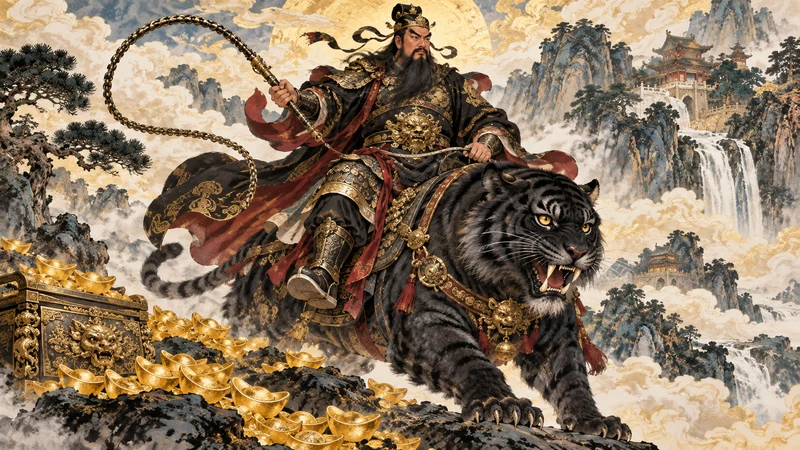
chinese mythology god of wealth caishen is one of the most beloved and widely worshipped deities in Chinese folk religion, celebrated across East Asian communities for centuries as a symbol of prosperity, good fortune, and success in all endeavors. From bustling Chinatowns in New York to small village temples in rural China, his image adorns shop fronts, home altars, and festive decorations, especially during the Lunar New Year, the most important holiday in Chinese culture.
Unlike many Western deities associated with wealth, Caishen’s legacy is deeply tied to moral integrity and hard work, making him more than just a figure for financial gain—he represents a philosophy of earning prosperity through honest effort and virtuous actions.

The Story Behind chinese mythology god of wealth caishen
The origins of chinese mythology god of wealth caishen are rooted in a mix of historical figures, folk tales, and religious texts, with two primary deities emerging as the most prominent: the Civil God of Wealth (Wen Caishen) and the Martial God of Wealth (Wu Caishen). One of the earliest origins dates back to the Spring and Autumn Period (770–476 BCE), with the figure of Fan Li, a trusted advisor to King Goujian of the Yue State.
After helping Goujian defeat the rival Wu State, Fan Li retired from politics, changed his name, and became a wealthy merchant known for his ethical business practices and generosity to the poor. Folklore later deified him as a god of wealth, linking his success to his wisdom and kindness.
The most widely recognized origins, however, come from the 16th-century Ming dynasty novel *Fengshen Yanyi* (Investiture of the Gods), a text that weaves together myth and history to detail the fall of the Shang Dynasty and rise of the Zhou. In this text, Bi Gan, a loyal uncle and prime minister of the cruel King Zhou of Shang, is killed for opposing the king’s immoral acts.
His pure heart and devotion to justice lead the gods to deify him as Wen Caishen, the Civil God of Wealth, who blesses those who uphold honesty and virtue. The other major figure from *Fengshen Yanyi* is Zhao Gongming, a general who fought for the Shang Dynasty.
After his death in the final battle of the novel, he is enshrined as Wu Caishen, the Martial God of Wealth, who protects traders and brings prosperity to those who work hard with courage and integrity. Over time, these two figures merged into the single beloved deity known as chinese mythology god of wealth caishen, with regional variations adding minor local legends to his story.
What chinese mythology god of wealth caishen Really Means
At its core, the concept of chinese mythology god of wealth caishen revolves around the idea that true prosperity is not just material wealth, but a balance of financial success, career growth, and moral well-being. Unlike the misconception that he is a god who grants easy money, Caishen’s blessings are reserved for those who act with integrity, work diligently, and contribute to their communities.
A common mistake that language and culture learners make is misunderstanding the purpose of invoking Caishen: many assume that praying to him means seeking unearned wealth like lottery wins or windfalls, but the idiom and cultural practice of honoring Caishen is rooted in legitimate, earned success. For example, using the idiom to wish a friend “Caishen’s blessings on your new business” refers to wishing them success through their hard work and ethical practices, not random luck.
Caishen is also associated with other forms of prosperity: in Chinese culture, wealth can mean a stable family life, good health, or recognition for one’s work, so his worship is not limited to financial gain alone. This broader meaning makes him a universal symbol of hope, applicable to anyone striving to improve their life through honest means.
How to Use chinese mythology god of wealth caishen in Conversation
Using references to chinese mythology god of wealth caishen in conversation is most common during festive occasions, business interactions, or when discussing goals related to success and prosperity. Below are four practical, natural examples of how to incorporate this idiom or cultural reference into daily speech:
- During Lunar New Year, I always hang a small, red poster of chinese mythology god of wealth caishen above my café’s counter—my regular customers say it makes the shop feel lucky and welcoming.
- When my cousin decided to quit his corporate job to start a sustainable fashion brand, my whole family gathered to pray to chinese mythology god of wealth caishen at our local temple, hoping his new venture would thrive.
- My boss gave me a lucky red envelope with a small note that read “May chinese mythology god of wealth caishen guide your work on the new project” after I led a successful product launch last quarter.
- At the family dinner, my uncle joked, “Let’s make an offering of oranges to chinese mythology god of wealth caishen tonight—with the stock market picking up, maybe we’ll all see a little extra profit this year.”
These examples show the idiom being used in both formal and informal settings, tied to specific cultural traditions and real-life scenarios, making it easy for learners to understand context and usage.
Why chinese mythology god of wealth caishen Matters Today
In an increasingly globalized world, the legacy of chinese mythology god of wealth caishen remains deeply relevant, both for Chinese communities and people interested in global culture. For diaspora communities, honoring Caishen is a way to stay connected to their cultural roots, especially during Lunar New Year events that bring families and neighbors together.
In Chinatowns across the world, parades with lion dances and Caishen statues draw large crowds, reinforcing community bonds and passing down traditions to younger generations. Beyond cultural identity, Caishen’s core message— that prosperity comes from hard work and integrity—resonates with modern audiences who value ethical success.
For example, during the 2020 COVID-19 pandemic, many small business owners in China and the U.S. hung Caishen decorations as a way to stay hopeful during difficult times, linking his legacy to resilience and community support.
In recent years, social media has played a role in keeping Caishen’s legacy alive: during Lunar New Year, millions of posts on platforms like WeChat, Instagram, and TikTok feature images of Caishen, New Year greetings referencing him, and stories of small businesses that thrived through ethical practices. Even non-Chinese people have adopted his symbolism, using Caishen-themed decor for weddings or new ventures as a way to wish for success.
This adaptability shows that Caishen is more than a historical myth—he is a timeless symbol of hope, effort, and good fortune that transcends borders and cultures.
Related Idioms
The concept of chinese mythology god of wealth caishen is tied to several common Chinese idioms and phrases that are used to express wishes for prosperity. These related phrases reflect the values associated with Caishen and are widely used in daily speech and festivals:
- Cai yuan guang jin (财源广进): Meaning “Wealth flows in abundantly,” this is one of the most common Lunar New Year greetings, Chinese Mythology God Of Wealth Caishen directly linked to Caishen’s role as a bringer of fortune. It is often used to wish business owners and friends steady financial success.
- Caishen ye dao (财神到): Translating to “The God of Wealth has arrived,” this phrase is used to celebrate good fortune coming one’s way, often played during Lunar New Year events to mark the arrival of luck.
- Zheng da guang ming (正大光明): Meaning “upright and honest,” this idiom is closely tied to Caishen’s values, Chinese Mythology God Of Wealth Caishen reminding people that true prosperity comes from ethical actions, not shortcuts. It is often used in professional settings to praise someone’s integrity.
- Fu lu shuang quan (福禄双全): Meaning “Blessings and wealth both arrive,” this phrase combines Caishen’s gift of prosperity with other forms of good fortune like health and happiness, reflecting the holistic nature of his blessings.

Frequently Asked Questions
To clarify common queries about chinese mythology god of wealth caishen, here are answers to frequently asked questions:
- Q: Is chinese mythology god of wealth caishen only worshipped by people who want to get rich?
A: No, while financial prosperity is a central part of his worship, many people pray to Caishen for other blessings like family health, career stability, or academic success. Chinese Mythology God Of Wealth Caishen The core of his legacy is overall well-being, not just money.
- Q: What’s the difference between Wen Caishen and Wu Caishen?
A: Wen Caishen (Civil God of Wealth, Chinese Mythology God Of Wealth Caishen like Bi Gan) is worshipped for wealth gained through virtue, education, or professional work, while Wu Caishen (Martial God of Wealth, like Zhao Gongming) is seen as a protector of traders and business owners, bringing success to those who work hard in commercial ventures.
- Q: When is the best time to pray to Caishen?
A: The most important time is the fifth day of the Lunar New Year, Chinese Mythology God Of Wealth Caishen celebrated as Caishen’s Birthday, when many temples hold special ceremonies. Many people also pray on the first and fifteenth day of each lunar month for good fortune.
- Q: Are there specific rituals for worshipping Caishen?
A: Common rituals include burning incense, Chinese Mythology God Of Wealth Caishen offering fresh fruits (like oranges, which symbolize luck), and placing red envelopes with small amounts of money on home or temple altars to show gratitude and respect.
One Last Thing
At the end of the day, chinese mythology god of wealth caishen is more than a mythological figure or cultural tradition—he is a symbol of hope that has stood the test of time. His story reminds us that success is not about taking shortcuts or chasing unearned gains, but about working hard, acting with integrity, and contributing to the people around us.
Whether you hang his poster in a shop, pray for a friend’s new venture, or use his name to wish someone luck, the legacy of Caishen brings people together and encourages us to strive for better while staying true to our values.

Chinese Mythology Creation Story Chinese Mythology Movie Chinese Mythology Book Wikipedia
Frequently Asked Questions
What is the origin of chinese mythology god of wealth caishen?
Caishen has layered origins blending historical figures and literary mythology. The most prominent origin is Zhao Gongming, a warrior deity from the 16th-century classic novel *Investiture of the Gods (Fengshen Yanyi)*, who was appointed as the official God of Wealth after his heroic death in battle. Other key origins include Bi Gan, the virtuous Shang Dynasty prime minister deified for his unyielding integrity, and Fan Li, a Spring and Autumn period statesman who retired to become a wealthy merchant, linked to ethical business success.
What are the main characters in chinese mythology god of wealth caishen?
Core figures and associates of Caishen include: 1) Zhao Gongming: The most widely worshipped Caishen in folk belief, often paired with four celestial assistants who manage distinct wealth domains: Zhaobao (attracting treasure), Nazhen (gathering treasure), Shoubao (preserving treasure), and Jinxiang (bringing gold). 2) Bi Gan: Known as the “Straightforward Caishen,” associated with honestly earned wealth. 3) Fan Li: The merchant Caishen, revered for his wisdom in accumulating prosperity ethically. 4) Guan Yu, the God of War, is also often venerated as a Caishen, especially by business communities for his loyalty and integrity.
What is the moral lesson of chinese mythology god of wealth caishen?
The central moral lessons of Caishen mythology frame wealth as a reward for virtue, not an end in itself. Key teachings include: 1) Wealth must be earned through honest, ethical means—unethical gain or greed is condemned, as seen in the integrity of Bi Gan and Fan Li. 2) Generosity and compassion are valued: Caishen blesses those who help their communities, not just those who hoard wealth. 3) Diligence and wisdom lead to lasting prosperity, rather than luck alone, emphasizing that success comes from hard work and good character.
How is chinese mythology god of wealth caishen celebrated in modern China?
Caishen is most prominently celebrated during the Lunar New Year (Spring Festival). Common modern practices include: 1) Pasting Caishen posters (caihua) on doors, and welcoming Caishen on the 5th day of the Lunar New Year (Po Wu Day), when households break New Year’s taboos to invite his wealth blessings. 2) Offering incense, lucky fruits (like tangerines and oranges), and prayers at Caishen temples, which draw large crowds during the holiday. 3) Business rituals: New Year’s Eve dinners for business owners and new store opening ceremonies often include offerings to Caishen for prosperity. 4) Modern cultural expressions: Caishen-themed mascots, social media posts about wealth wishes, and festive performances featuring the deity are popular across digital and physical spaces.
What are similar myths to chinese mythology god of wealth caishen?
Related myths and concepts in Chinese mythology include: 1) The Wulucaishen (Five Paths God of Wealth), a collective mythic group that aggregates multiple Caishen figures to represent wealth arriving from all five cardinal directions, a core folk religious belief. 2) The legend of the Money Tree (Yashu), a mythical divine tree that produces endless gold and silver, symbolizing Caishen’s realm and prosperity for virtuous people. 3) Regional myths of local wealth deities, such as the Tudigong (Earth God), who oversees the prosperity of a specific village or neighborhood, working alongside Caishen to bless local communities.
Enjoyed this story? Share it!
🐦 Share on Twitter📚 Related Books
Explore more Chinese mythology stories in our curated collection