In chinese mythology zhong kui stands as one of the most recognizable and beloved figures of the spirit world, a demon queller whose story has endured for over a millennium to become a symbol of justice, protection, and even empathy for the wronged. For overseas readers—from parents teaching their children about cross-cultural myths to educators exploring Chinese folklore—his appeal lies in his human roots: he is not an omnipotent god, but a scholar wronged by a system that judged him by his appearance, who transformed his own pain into a mission to guard others.
Quick Answer
Chinese mythology Zhong Kui is usually understood as a demon-quelling figure linked with protection, justice, exam folklore, and later visual traditions.
Basic Facts
- Figure: Zhong Kui in Chinese mythology and folklore
- Core role: Protector and demon-queller
- Reading check: Separate folk worship, literature, painting, and modern retellings
- Common mistake: Treating one late story as the whole Zhong Kui tradition
Data anchor: Chinese mythology Zhong Kui = protective role + origin layer + symbolic meaning + later adaptation.
Unlike many distant, unapproachable deities in global myth, Zhong Kui’s story is relatable, centered on themes of fairness, resilience, and standing against injustice. This accessibility has made him a gateway to understanding how Chinese folklore balances moral lessons with vivid, character-driven narratives.
Many first encountering Zhong Kui wonder why a figure from ancient Chinese mythology remains relevant today. The answer lies in his layered identity: he is both a fierce protector of households and a quiet advocate for the marginalized.
For example, Chinese Mythology Zhong Kui his role as a demon queller is not just about fighting evil—it is about preventing harm to families, a value that resonates across cultures. For scholars and students, his story of being wronged in the imperial exams (a core part of his legend) offers a lesson about looking beyond surface traits to recognize true merit.
This dual role—protector and advocate—makes him a unique figure in Chinese mythology, bridging the gap between spiritual belief and everyday human struggle.
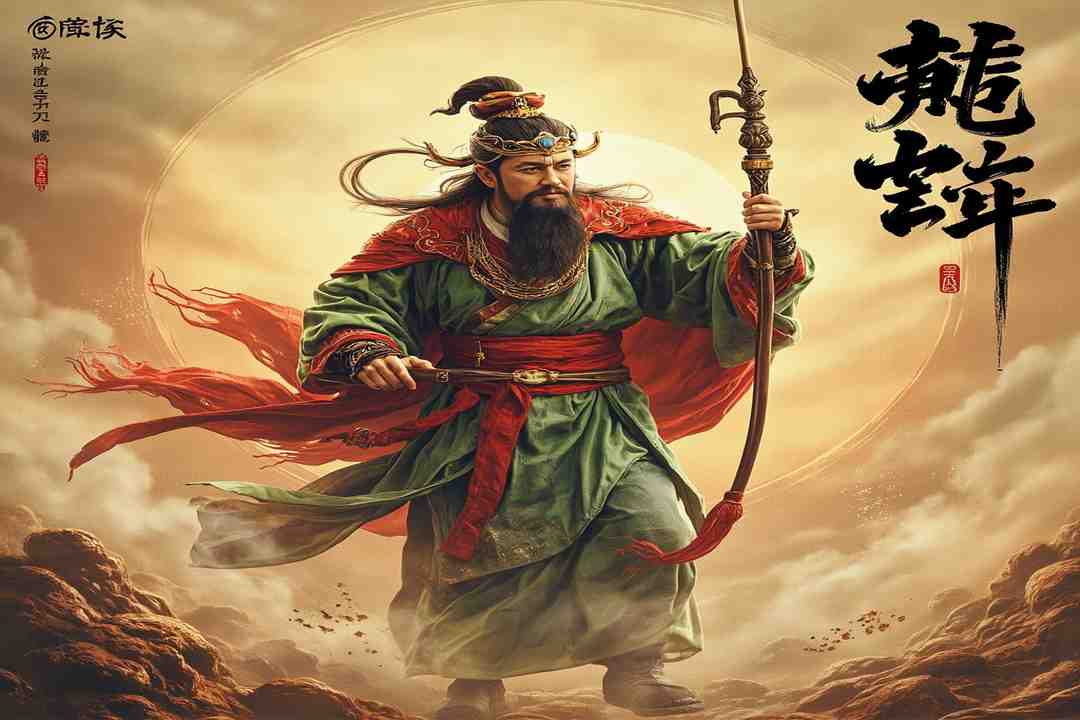
Who Was chinese mythology zhong kui?
Zhong Kui is a demigod figure from Tang Dynasty-era Chinese folklore, primarily known as a righteous demon hunter who evolved from a wronged human scholar to a revered spiritual protector. His name translates roughly to “Enduring Ghost” or “Upright Demon,” but his legend is defined not by fear, but by his commitment to justice.
Unlike gods like Guanyin (the bodhisattva of compassion) or Guan Yu (the god of war), Zhong Kui’s origin is rooted in human tragedy, which is why his story has been passed down through generations in both oral and written forms.
According to the Song Dynasty text *Taiping Guangji* (Extensive Records of the Taiping Era), Chinese Mythology Zhong Kui a credible primary source for Chinese myths, Zhong Kui was a scholar from the Zhongnan Mountains region (present-day Shaanxi Province) who was exceptionally intelligent but had an unusual, grotesque appearance: his face was dark as charcoal, his eyes bulged, and his frame was hunched. He traveled to the Tang capital of Chang’an to take the imperial civil service exam, the only path to official status and respect in ancient China.
His essays were deemed the best of all applicants by the examiners, but Emperor Xuanzong rejected him immediately upon seeing his face, claiming his appearance was unfit for a government official.
This injustice led Zhong Kui to take his own life, a turning point that elevated him from a wronged scholar to a spiritual figure. A fellow scholar named Du Ping, who had befriended Zhong Kui during his time in Chang’an, buried his body with full official rites, a act that would later tie Zhong Kui’s fate to protecting Du’s descendants.
For centuries, this detail has made Zhong Kui a symbol of loyalty and gratitude in Chinese culture, as his vow to rid the world of evil was a direct response to the kindness Du showed him.
Quick Answer
Zhong Kui is a righteously fierce demon queller from Chinese mythology, Chinese Mythology Zhong Kui originally a Tang Dynasty scholar wronged for his appearance, who later became a protector of households and scholars.
Basic Facts Table
| Field | Content |
|—|—|
| Chinese Name | 钟馗 (Zhōng Kuí) |
| Origin | Tang Dynasty folklore; first written in Song Dynasty’s *Taiping Guangji* |
| Key Roles | Demon queller, protector of scholars, household guardian |
| Core Rituals | Hanging portraits during Lunar New Year, Chinese Mythology Zhong Kui Ghost Festival performances |
| Modern Adaptations | Films, mobile games, international cultural exhibitions |
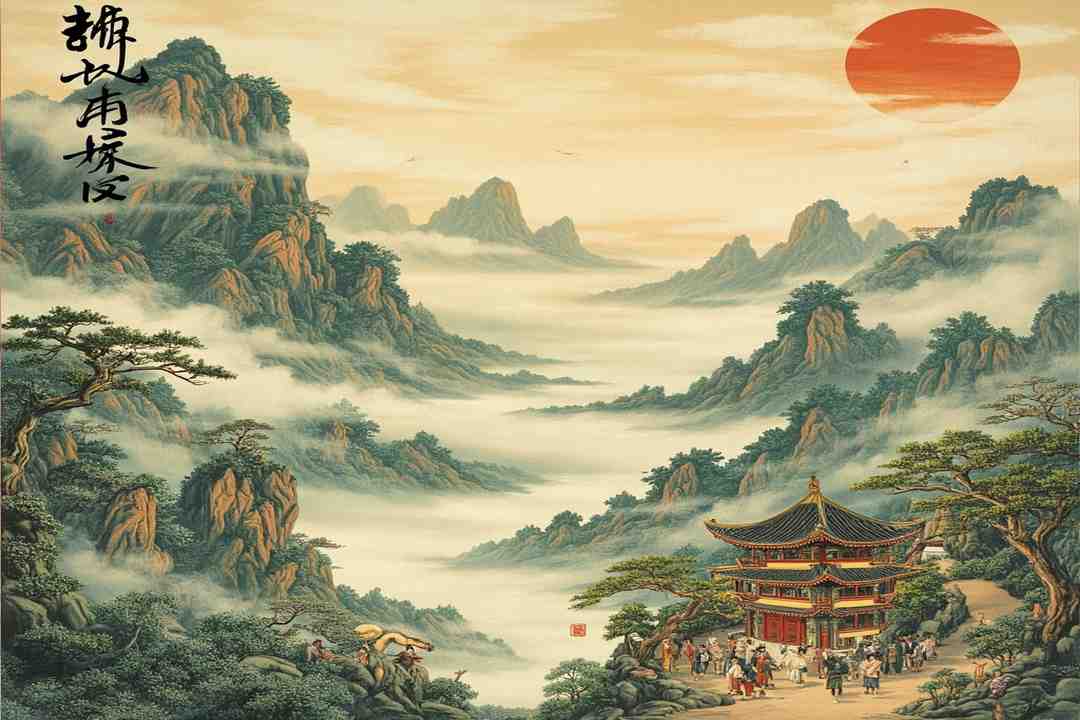
The Story Behind chinese mythology zhong kui
The full legend of Zhong Kui unfolds as a tale of injustice, Chinese Mythology Zhong Kui transformation, and divine purpose. After Emperor Xuanzong rejected Zhong Kui, the young scholar was so devastated by the humiliation that he banged his head against the palace gate, killing himself instantly.
His death left Du Ping, his friend, to bury his body with honor—a choice that would shape Zhong Kui’s future.
The turning point comes in Emperor Xuanzong’s own life: in 713 CE, the emperor fell ill with a high fever and had a vivid dream. In the dream, a small demon stole his concubine’s embroidered purse and his favorite jade flute.
The demon darted around the palace, laughing, until a larger, bearded figure wearing a ragged hat and an animal-skin robe chased him down. The figure caught the demon, tore it apart, and ate it, vowing to rid the empire of all evil spirits.
When the emperor asked who he was, the figure replied: “I am Zhong Kui, the scholar from Zhongnan Mountains. You wronged me, but now I will serve you as your demon queller.”
Upon waking, Chinese Mythology Zhong Kui Emperor Xuanzong felt refreshed and immediately ordered the court’s most famous painter, Wu Daozi, to create a portrait of Zhong Kui exactly as he appeared in the dream. Wu Daozi, known for his dynamic, lifelike paintings, completed the portrait in hours, and it was hung at the palace gates to ward off evil.
This act marked the spread of Zhong Kui’s legend to common households, where families began hanging copies of Wu Daozi’s portrait on their doors to protect their homes from harm.
Another layer of the story ties Zhong Kui to scholars and students. Because he was wronged by the imperial exam system, many ancient Chinese students would hang small Zhong Kui portraits in their study rooms during exam season, praying for fair results and success.
This practice was so widespread that some exam halls even had small altars dedicated to Zhong Kui, a testament to his role as a protector of academic merit.
What chinese mythology zhong kui Means in Chinese Culture
Zhong Kui’s cultural significance extends far beyond being a demon queller—he is a symbol of justice, Chinese Mythology Zhong Kui resilience, and loyalty, with rituals and traditions that have shaped Chinese life for over a millennium. His most visible role is as a household protector: during the Lunar New Year, families hang Zhong Kui’s portraits on their front doors, facing outward to scare away evil spirits and bring good fortune for the coming year.
This ritual is so common that even today, you can find Zhong Kui prints in Chinese markets across the world, from Beijing to San Francisco.
During the Ghost Festival (Zhongyuan Festival), a traditional holiday honoring ancestors and spirits, villages across China hold performances of Zhong Kui chasing demons. These performances feature actors in elaborate Zhong Kui costumes, dancing and waving swords to symbolically drive away negative energy.
In some regions, these performances are accompanied by firecrackers and incense, creating a lively, protective atmosphere for the community.
Zhong Kui is also deeply tied to scholarly culture. For centuries, Chinese Mythology Zhong Kui scholars have viewed him as a patron of academic success, a figure who understands the pain of being judged unfairly.
This link is reinforced by the story of Du Ping, who buried Zhong Kui with honor—legend says that Du’s descendants went on to pass the imperial exams with distinction, a reward for his kindness. Today, this legacy lives on in Chinese cultural education, where Zhong Kui is taught as a lesson about the importance of judging people by their character, not their appearance.
A concrete example of his cultural legacy is the Zhong Kui Ancestral Temple in Fengyang, Anhui Province. Built in the Ming Dynasty, this temple is dedicated to Zhong Kui and attracts thousands of visitors each year, especially during the Lunar New Year.
The temple hosts rituals, exhibitions, and performances that celebrate Zhong Kui’s story, making it a key site for preserving Chinese folklore. Local craftspeople even sell miniature Zhong Kui statues and portraits to visitors, keeping the tradition alive for younger generations.
Why chinese mythology zhong kui Still Matters Today
In modern Chinese culture, Chinese Mythology Zhong Kui Zhong Kui’s image has evolved beyond traditional rituals to appear in films, games, and global cultural events, introducing his story to audiences outside of China. The 2015 film *Zhong Kui: Snow Girl and the Dark Crystal* brought his legend to a global audience, blending traditional mythology with stunning visual effects and a compelling narrative.
The film grossed over $100 million worldwide, proving that Zhong Kui’s story resonates with viewers who have never heard of Chinese folklore before.
Mobile games have also played a role in popularizing Zhong Kui. In the hit game *Honor of Kings*, Zhong Kui is a playable mage character who uses demon-quelling powers to fight enemies, with a design that draws directly from traditional portraits.
The game has over 100 million daily active users, many of whom are young people who learn about Chinese mythology through these characters. This adaptation makes Zhong Kui accessible to a new generation, turning a 1,000-year-old legend into a modern gaming icon.
For overseas Chinese communities, Chinese Mythology Zhong Kui Zhong Kui remains a symbol of cultural identity. During Lunar New Year celebrations in cities like Sydney, Toronto, and London, many families hang Zhong Kui’s portraits, passing down the tradition to their children as a way to connect with their roots.
In 2020, the China Cultural Center in London held an exhibition on Zhong Kui that drew over 10,000 visitors, including many non-Chinese who were curious about the myth. This event showed that Zhong Kui’s story has cross-cultural appeal, bridging the gap between Eastern and Western folklore.
Educators also use Zhong Kui’s story to teach cross-cultural lessons. In U.S.
schools, teachers tell his story to discuss themes of justice, empathy, and the importance of looking beyond surface appearance. For example, a middle school in California used Zhong Kui’s legend in a lesson about anti-bullying, linking his experience of being judged for his looks to modern issues of discrimination.
This makes Chinese mythology relatable to students who may not have any prior knowledge of Chinese culture, turning a myth into a tool for social-emotional learning.
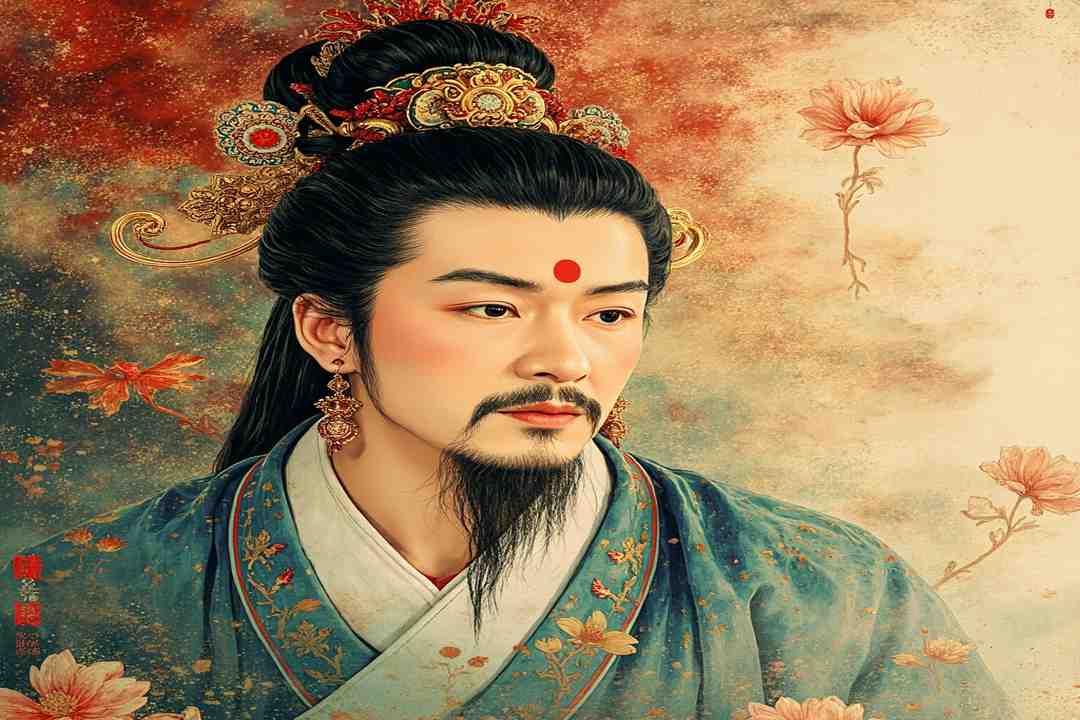
Frequently Asked Questions
What is the origin of chinese mythology zhong kui?
Zhong Kui’s origin is rooted in Tang Dynasty (618–907 CE) Chinese legends. According to the most famous tale, he was a brilliant scholar who committed suicide in protest after being denied the top imperial exam position solely because Emperor Xuanzong found his grotesque appearance unfit for court. After his death, he ascended to become the King of Ghosts, tasked by the celestial court with vanquishing evil spirits and protecting the living. Emperor Xuanzong later popularized Zhong Kui’s cult after reportedly dreaming of him chasing away a demon that caused his illness, leading to the spread of his worship.
What are the main characters in chinese mythology zhong kui?
Key characters include: Zhong Kui himself, the central figure—a once-human scholar who becomes the fearsome yet benevolent King of Ghosts and demon slayer; his younger sister Zhong Ling, who marries Zhong Kui’s loyal subordinate ghost Du Ping in many folktales; Emperor Xuanzong (Tang Ming Huang), the Tang ruler whose dream accelerated Zhong Kui’s widespread worship; and Zhong Kui’s two assistant ghosts, Du Ping and Wang Fu, who aid him in capturing and punishing evil spirits.
What is the moral lesson of chinese mythology zhong kui?
The core moral lessons revolve around rejecting prejudice against outward appearance (Zhong Kui’s talent was overlooked due to his looks), standing firm against injustice and unfair treatment, the importance of courage to confront evil, and protecting the vulnerable. Additionally, the myth emphasizes that integrity and virtue are recognized by higher powers even when worldly authorities fail to acknowledge or reward them, and that good will ultimately triumph over evil.
How is chinese mythology zhong kui celebrated in modern China?
In modern China, Zhong Kui is most closely tied to the Dragon Boat Festival (Duanwu Festival), a holiday focused on warding off misfortune and evil. Families hang posters, paintings, or decorative scrolls of Zhong Kui above their doors to repel evil spirits and safeguard their homes. Regional folk performances, operas, and parades often depict his demon-slaying deeds during the festival, and Taoist temples hold small rituals honoring him as a guardian. Amulets featuring his image are also popular among people seeking protection from bad luck.
What are similar myths to chinese mythology zhong kui?
Similar myths in Chinese mythology feature other protective, evil-slaying deities. For example, the Door Gods Qin Qiong and Yuchi Gong—two legendary Tang generals—are worshipped as household guardians who fend off evil spirits, a role parallel to Zhong Kui’s. Another comparable figure is Guan Yu (Guan Gong), the revered martial god and folk hero, who is venerated as a protector of the innocent and punisher of wrongdoing, sharing Zhong Kui’s reputation as a champion against evil.
Chinese Mythology Legend Of Monkey Explained What Is Chinese Mythology Sun God? The Truth Behind the Myth How Chinese Mythology Ghost Beliefs Became a Chinese Myth Wikipedia
Enjoyed this story? Share it!
🐦 Share on Twitter📚 Related Books
Explore more Chinese mythology stories in our curated collection