Chinese mythology Mount Tai is far more than a towering peak in Shandong Province—it is a sacred axis mundi, a realm of divine judgment, and a symbol of imperial legitimacy that has shaped Chinese beliefs for over two millennia. For anyone seeking to understand the core of Chinese spiritual life, this mountain is an essential starting point.
Unlike Western mythological mountains, which are often framed as wild, untamable places of chaos or divine wrath, Mount Tai is seen as a stable, central point where heaven and earth meet. Ancient Chinese cosmology placed it at the eastern edge of the world, the direction associated with birth, sunrise, and the renewal of life—making it a site of both creation and judgment.
To visit Mount Tai today is to walk in the footsteps of emperors like Qin Shi Huang, who climbed its slopes in 219 BCE to perform the Feng sacrifice, and common villagers who still light incense at the temples along its paths. The myths of Chinese mythology Mount Tai are not just ancient tales; they are a living tradition that continues to influence how millions of people think about life, death, and their place in the universe.
This blend of sacred history and modern practice makes the mountain uniquely accessible, bridging gaps between past and present, elite and ordinary, and local and global.
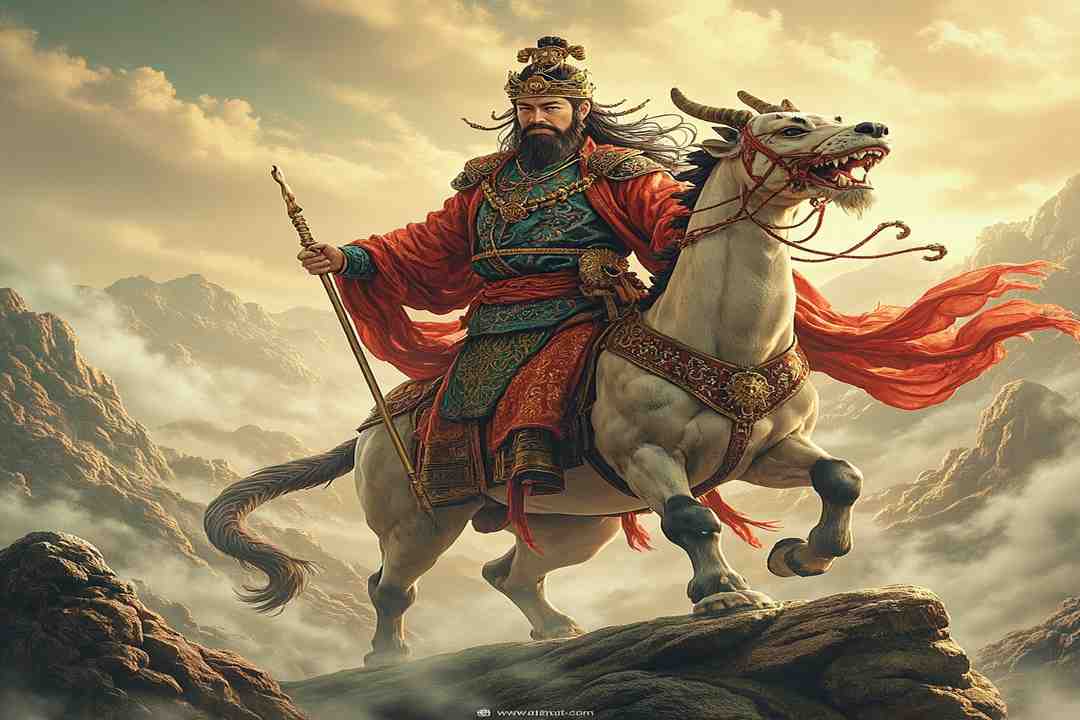
Who Was Chinese Mythology Mount Tai?
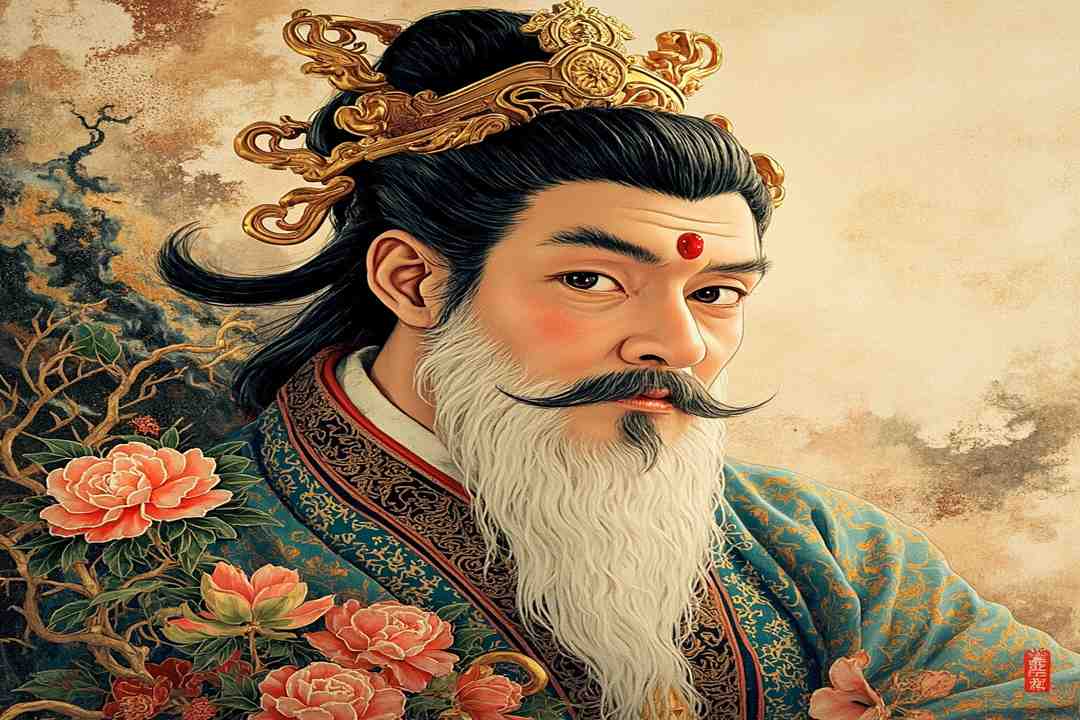
In Chinese mythology, Chinese Mythology Mount Tai Mount Tai is personified as a powerful deity, most commonly known as Taishan Yeye (the Lord of Mount Tai) or Dongdi (the Eastern Emperor). This god is not a minor figure—he is one of the most important deities in the Chinese pantheon, responsible for overseeing the fate of every living being, from the moment of birth to the moment of death.
Unlike many gods tied to specific domains, Taishan Yeye’s influence is universal: he controls lifespan, grants prosperity, and judges souls in the afterlife, making him a central figure in both imperial and folk spirituality.
His daughter, Bixia Yuanjun (the Princess of Mount Tai), is another core part of the mountain’s mythology. Known as the Goddess of Childbirth and Protector of Travelers, she is often depicted holding a child or a ruyi scepter, and her temple at the foot of Mount Tai is one of the most popular sites for women seeking fertility or safe deliveries.
For centuries, pilgrims have left silk offerings and incense at her shrine, praying for her blessing— a tradition that remains strong even as the mountain has become a modern tourist destination.
Beyond these deities, Chinese Mythology Mount Tai Mount Tai is linked to legendary ancestors like the Yellow Emperor, a foundational figure in Chinese civilization. According to the ancient text *Zhuangzi*, the Yellow Emperor climbed Mount Tai to meet Xiwangmu (the Queen Mother of the West), a goddess of immortality, and received secrets of eternal life.
This story cemented the mountain’s reputation as a place where humans can connect with the divine, transcending mortal limits. Scholars note that Mount Tai is unique among sacred mountains because its myths draw from Confucianism, Taoism, and folk religion, making it a unifying symbol across Chinese spiritual life.

The Story Behind Chinese Mythology Mount Tai
The most famous myth tied to Mount Tai is the Feng and Shan sacrifices, Chinese Mythology Mount Tai a ritual performed by ancient emperors to confirm their Mandate of Heaven—divine authority to rule China. According to Sima Qian’s *Records of the Grand Historian*, the first Qin emperor, Qin Shi Huang, climbed Mount Tai in 219 BCE to perform the Feng sacrifice on the summit (honoring heaven) and the Shan sacrifice at the base (honoring earth).
This ritual was so pivotal that subsequent emperors, including Han Wudi and Tang Taizong, repeated it, using Mount Tai to legitimize their rule and unify the empire.
Another key story is the underworld of Mount Tai, a realm where souls are taken after death to be judged. Gan Bao’s 4th-century text *In Search of the Supernatural* tells tales of souls being transported to Mount Tai, standing before Taishan Yeye to account for their earthly deeds.
One famous story follows scholar Liu Yiqing, who dies and meets his late father in the underworld—his father is punished for embezzling public funds, a reminder that even powerful men face accountability. This myth reinforced the Confucian value of virtue, linking personal behavior to cosmic justice.
The origin of Bixia Yuanjun is a beloved folk tale that humanizes the mountain’s deities. According to local lore, Chinese Mythology Mount Tai she was a mortal woman who lived in a village at Mount Tai’s foot, known for her kindness to the poor and willingness to help sick children.
When she died, her spirit ascended to the mountain, becoming a goddess who continues to aid women and travelers. Pilgrims still share stories of her appearing to lost hikers or infertile women, tales that have been passed down through generations of villagers.
There is also the myth of the Yellow Emperor’s ascent to immortality, adding a layer of spiritual transcendence to Mount Tai. After defeating the Chi You tribe, the Yellow Emperor grew weary of ruling and climbed Mount Tai to meditate.
There, Xiwangmu gave him an elixir of immortality, and he ascended to heaven from the mountain’s summit, leaving his mortal body behind. This story links Mount Tai to the pursuit of enlightenment, making it a place where humans can achieve divine status— a theme that resonates with Taoist beliefs about harmony with the cosmos.
What Chinese Mythology Mount Tai Means in Chinese Culture
At its core, Chinese mythology Mount Tai symbolizes stability and order in a changing world. Its name means “stable mountain” in Chinese, a fitting descriptor for its role as a central axis in the ancient cosmos.
Unlike other mountains seen as wild or chaotic, Mount Tai is a constant, unshakable presence—this symbolism is reflected in Chinese art and literature, where it is used to represent endurance, reliability, and the foundation of civilization.
Rituals surrounding Mount Tai are not just for emperors; they are part of daily life for ordinary people. For centuries, pilgrims have climbed the 6,660 stone steps to the summit, a journey that is both physical and spiritual.
Along the way, they stop at temples to pray for health, success in imperial exams, or protection for their families. The incense burners at these temples are often filled with thousands of sticks, a visual testament to the mountain’s role as a place of solace.
Even today, during the annual Mount Tai Temple Fair, villagers gather to perform traditional dances, sell handicrafts, and honor the mountain’s deities—keeping ancient rituals alive.
The myth of soul judgment at Mount Tai teaches important moral lessons. In a culture that values virtue, Chinese Mythology Mount Tai this story reinforces the idea that every action has consequences, a norm that shapes social interactions.
For example, traditional Chinese communities often reference “Mount Tai’s judgment” to warn against wrongdoing, upholding moral standards without relying solely on formal laws. This blend of religion and social ethics is a key part of Chinese cultural identity, and Mount Tai is its most visible symbol.
Mount Tai also holds historical significance as a site of political power. The Feng and Shan sacrifices were not just religious rituals—they were political statements.
By performing these ceremonies, emperors signaled their rule was sanctioned by heaven, unifying the people and legitimizing their authority. This link between religion and politics is unique to Chinese culture, and Mount Tai is the perfect example of how mythology was used to maintain social order for millennia.
Why Chinese Mythology Mount Tai Still Matters Today
Today, Mount Tai is a UNESCO World Heritage Site, visited by over 10 million people annually. Chinese Mythology Mount Tai For Chinese people, climbing Mount Tai is a way to connect with their cultural roots, honoring the myths that shaped their identity.
Pilgrims still perform ancient rituals, lighting incense and praying at temples, even as the mountain has become a modern tourist destination. This blend of old and new makes Mount Tai special—it is a place where the past and present coexist, inviting both reverence and exploration.
Chinese mythology Mount Tai has also entered global popular culture. The hit video game *Genshin Impact* features Liyue, a region heavily inspired by Mount Tai and other Chinese sacred mountains.
The game’s story references deities like the Jade Emperor, drawing on Mount Tai’s symbolism to create a rich, immersive world that resonates with players worldwide. Films like *The Monkey King* also use Mount Tai as a setting for divine battles, bringing its myths to a global audience and introducing millions to Chinese spiritual traditions.
For educators, Chinese Mythology Mount Tai Mount Tai is a valuable tool for teaching Chinese culture. Its myths offer insights into ancient beliefs about mortality, governance, and the divine—perspectives distinct from Western myths but equally profound.
Overseas Chinese children learn about Mount Tai to connect with their heritage, while foreign students use it to understand Chinese civilization’s unique worldview. Many schools now include Mount Tai stories in world mythology lessons, bridging cultural gaps and fostering cross-cultural understanding.
Preservation efforts ensure these myths endure. The Chinese government has invested in protecting Mount Tai’s natural environment and cultural sites, preserving temples, inscriptions, and stone steps for future generations.
Local communities also organize festivals and workshops to teach young people about Mount Tai’s rituals and stories, ensuring the tradition is passed down. Without these efforts, the myths of Chinese mythology Mount Tai might fade—but today, they are more accessible than ever.
Frequently Asked Questions
What is the origin of chinese mythology mount tai?
Mount Tai’s origin in Chinese mythology is rooted in ancient nature worship, where it was revered as the “Eastern Great Mountain”—one of the Five Sacred Mountains tied to the east, a direction symbolizing life, renewal, and sunrise. Mythically, it was seen as a cosmic bridge between the mortal realm and the divine, with early Chinese dynasties like the Xia and Shang holding sacred Feng Shan rituals here to honor heaven and earth, linking the mountain to the origin of imperial legitimacy and the fundamental order of the universe.
What are the main characters in chinese mythology mount tai?
Key figures in Mount Tai’s mythology include Taishan Yeye (the God of Mount Tai), a powerful deity governing life, death, fate, and the afterlife; Bixia Yuanjun (the Goddess of Mount Tai, also called the Holy Mother of the Azure Clouds), revered as a protector of children, healing, and fertility; and the Yellow Emperor, a legendary ruler said to have performed the sacred Feng Shan ritual on Mount Tai to affirm his divine right to rule, cementing the mountain’s mythic importance.
What is the moral lesson of chinese mythology mount tai?
The moral lessons of Mount Tai’s mythology revolve around core Chinese values: respect for nature and the cosmic balance, as the mountain is a sacred, living connection between humanity and the divine; accountability for one’s actions in life, since Taishan Yeye judges souls in the afterlife; filial piety, as myths tie the mountain to honoring ancestors and fulfilling familial duties; and harmony between the mortal and spiritual worlds, emphasizing that devotion and proper rituals bring protection, prosperity, and spiritual peace.
How is chinese mythology mount tai celebrated in modern China?
In modern China, Mount Tai is celebrated through ongoing religious pilgrimages, especially to temples of Bixia Yuanjun and Taishan Yeye, where devotees offer incense for health, fertility, and good fortune. Annual temple fairs and cultural festivals feature traditional performances, folk crafts, and reenactments of the ancient Feng Shan ritual. It is also a top tourist destination, drawing millions yearly who hike its trails to experience its sacred atmosphere, and it is a UNESCO World Heritage Site, preserving its mythic and cultural legacy globally.
What are similar myths to chinese mythology mount tai?
Similar myths in Chinese mythology include those of the other Four Sacred Mountains (Mount Hua [Western], Mount Song [Central], Mount Heng [Southern], Mount Heng [Northern]), which each correspond to a cardinal direction and carry roles as sacred, imperial-linked sites mirroring Mount Tai’s cosmic significance. Additionally, myths of Kunlun Mountain—the mythic center of the world associated with the Queen Mother of the West—share the theme of mountains as divine bridges, while underworld tales that emphasize spiritual judgment parallel Mount Tai’s role as a judge of souls after death.
Chinese Mythology Bedtime Stories Explained How Chinese Mythology Ghost Beliefs Became a Chinese Myth What Is Chinese Mythology Sun God? The Truth Behind the Myth Wikipedia
Enjoyed this story? Share it!
🐦 Share on Twitter📚 Related Books
Explore more Chinese mythology stories in our curated collection