The term chinese mythology celestial beings refers to a diverse array of divine, immortal, and supernatural figures central to Chinese folklore, Taoism, Buddhism, and folk religion. These beings are far more than abstract deities; they are woven into the fabric of daily life, seasonal rituals, storytelling, and cultural identity, shaping how generations of Chinese people understand the relationship between humans, the cosmos, and the spiritual world.
From the mighty Jade Emperor who rules the celestial realm to the playful Eight Immortals who walk among mortals, each figure carries unique stories, virtues, and lessons that have been passed down for thousands of years.
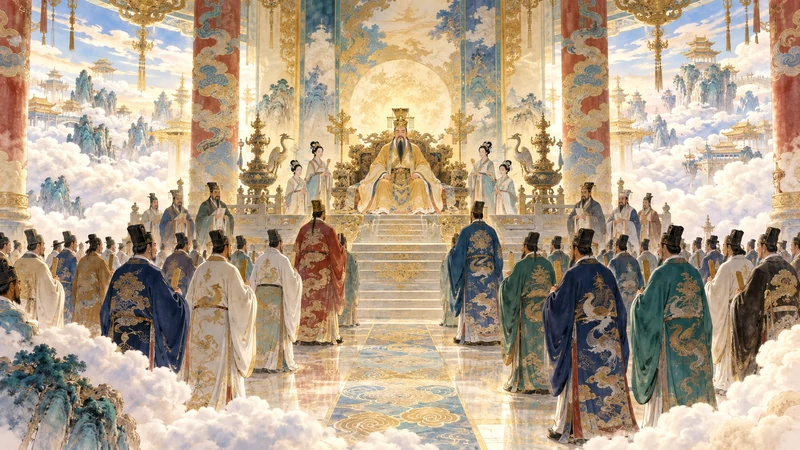
The Story Behind chinese mythology celestial beings
The origins of chinese mythology celestial beings stretch back to ancient Chinese cosmology and religious practices, with roots in the Shang Dynasty (1600–1046 BCE), where people worshipped sky deities as symbols of power and order. Over time, these early beliefs evolved and merged with Taoist philosophy, which formalized the concept of immortals (xian) who could transcend the mortal realm to become celestial beings.
A key text that codified many of these figures is the Huainanzi, a 2nd-century BCE compendium from the Han Dynasty that outlines Taoist cosmology, including descriptions of the celestial bureaucracy and its hierarchical structure. However, it was the 16th-century Ming Dynasty novel Journey to the West that catapulted chinese mythology celestial beings into the mainstream, popularizing characters like Sun Wukong (the Monkey King), Guanyin Bodhisattva, and the Jade Emperor for audiences across China and beyond.
Journey to the West’s blend of adventure, humor, and moral lessons made these figures relatable, turning them into household names and cementing their place in global popular culture. Additionally, folk traditions added their own celestial beings, such as the Kitchen God, who reports to heaven on a family’s conduct each year, and the God of Wealth, who is believed to bring prosperity to faithful followers.
This syncretism—mixing Taoist, Buddhist, and folk beliefs—has created a rich, interconnected pantheon of chinese mythology celestial beings that continues to evolve today.
What chinese mythology celestial beings Really Means
At its core, the term chinese mythology celestial beings describes a collective of divine entities that exist in the celestial realm, a parallel world often depicted as a bureaucracy mirroring ancient Chinese imperial systems. Unlike Western gods, who are often portrayed as distant and unapproachable, many chinese mythology celestial beings are human-like in their emotions, flaws, and motivations.
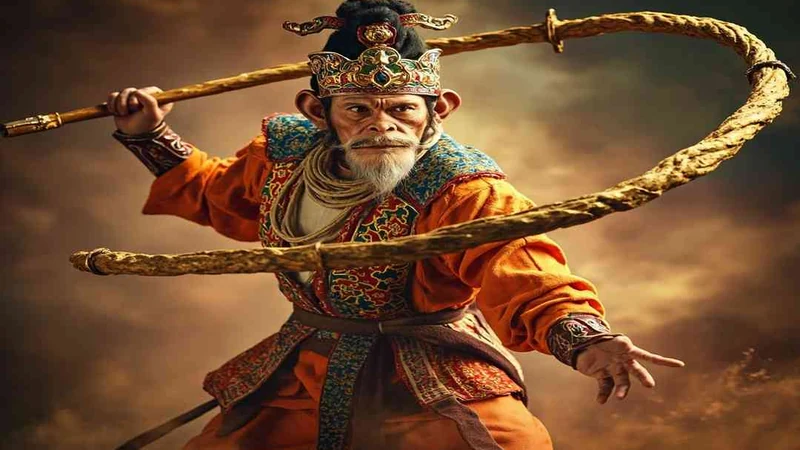
For example, the Monkey King Sun Wukong is rebellious, impulsive, and often challenges the authority of higher celestial beings, while the Eight Immortals are known for their humility and willingness to help mortals in need. This humanization makes these figures accessible and resonant, allowing people to see themselves in their struggles and triumphs.
It’s also important to note that not all celestial beings are benevolent; some are depicted as mischievous or even antagonistic, adding depth to their stories.
One common mistake learners make when discussing chinese mythology celestial beings is limiting the term exclusively to Taoist divine figures, overlooking key figures from Buddhist traditions (like Guanyin Bodhisattva, who is one of the most venerated celestial beings in Chinese culture) and folk mythology (such as the Kitchen God, a household guardian deity). This narrow interpretation fails to capture the syncretic nature of Chinese celestial pantheons, which have evolved by blending multiple religious and cultural influences over thousands of years.
In essence, chinese mythology celestial beings represent the intersection of the mortal and divine, offering guidance, protection, and lessons about virtue, perseverance, and balance.
How to Use chinese mythology celestial beings in Conversation
Using the term chinese mythology celestial beings in conversation is straightforward, whether you’re discussing literature, culture, or pop culture. Here are four natural examples to illustrate its usage:
- When I watched the animated film Ne Zha, I was amazed by how the story reimagines chinese mythology celestial beings, making Ne Zha a relatable anti-hero who defies celestial expectations.
- My cousin, who studies Chinese folklore, gave me a book about the Eight Immortals, and it’s full of tales of how these chinese mythology celestial beings helped ordinary people during times of need.
- During the Lunar New Year, our family hangs scrolls with paintings of chinese mythology celestial beings to bring good luck and ward off evil spirits for the coming year.
- In many Chinese fantasy video games, players can choose to align with or fight against chinese mythology celestial beings, adding a layer of cultural depth to the gameplay that resonates with both Chinese and global audiences.
These examples show that the term works in both formal and casual contexts, Chinese Mythology Celestial Beings making it versatile for discussing any topic related to these divine figures.
Why chinese mythology celestial beings Matters Today
In modern times, chinese mythology celestial beings remain a vital part of Chinese cultural identity and global cultural exchange. For Chinese communities around the world, these figures are tied to traditions like festivals, temple visits, and family stories, serving as a link to ancestral heritage.
Tourism also plays a role; temples dedicated to celestial beings like Guanyin or the Jade Emperor draw millions of visitors each year, offering a glimpse into ancient religious practices and architectural marvels. Beyond China, the global popularity of films like Ne Zha, Monkey King: Hero Is Back, and video games such as Genshin Impact has introduced audiences worldwide to chinese mythology celestial beings, fostering interest in Chinese mythology and culture.
These depictions often highlight universal themes like good vs. evil, redemption, and friendship, making the stories of celestial beings accessible to people from all backgrounds.
Additionally, scholars continue to study chinese mythology celestial beings, using them to understand ancient Chinese society, values, and religious practices, ensuring that these figures remain relevant in academic and cultural discourse.
Related Idioms
Several Chinese idioms are directly tied to chinese mythology celestial beings, reflecting their importance in everyday language and culture. One of the most well-known is 八仙过海,各显神通 (bā xiān guò hǎi, gè xiǎn shén tōng), which translates to “The Eight Immortals cross the sea, each showing their own special power.” This idiom is used to describe a situation where each person in a group contributes their unique skills to achieve a common goal, referencing the Eight Immortals’ famous journey across the East Sea in mythology.
Another related idiom is 天上掉馅饼 (tiān shàng diào xiàn bǐng), meaning “a pie falls from the sky,” which refers to unexpected good luck or blessings from celestial beings, often used to describe a fortunate occurrence that comes without effort. A third idiom is 神通广大 (shén tōng guǎng dà), meaning “great supernatural powers,” which is used to describe someone with extraordinary abilities, inspired by the powers of powerful celestial beings like the Monkey King.
These idioms not only reference celestial beings but also integrate their stories into daily communication, making them a key part of Chinese language and culture.
Frequently Asked Questions
Q: Are all chinese mythology celestial beings from Taoism?
A: No, the pantheon of chinese mythology celestial beings is syncretic, meaning it draws from multiple traditions. While many originate from Taoist beliefs, others come from Buddhism (like Guanyin Bodhisattva, who was adapted into Chinese celestial lore) and folk religion (like the Kitchen God).
This blend reflects how different belief systems have merged over centuries in Chinese culture. Q: Can a mortal become a chinese mythology celestial being?
A: Yes, in many myths, mortals can achieve immortality and celestial status through cultivation, virtuous deeds, or divine intervention. Chinese Mythology Celestial Beings The Eight Immortals, for example, were once ordinary humans who earned their place in the celestial realm through their actions and adherence to Taoist principles.
Q: Is the term chinese mythology celestial beings used only in academic contexts?
A: No, it’s commonly used in casual conversations, pop culture discussions, and media. For example, when talking about a new Chinese fantasy series, someone might say, “The show features amazing visuals of chinese mythology celestial beings,” which is a natural, everyday usage that requires no formal training.
Q: What’s the difference between a chinese mythology celestial being and a god?
A: While the terms overlap, Chinese Mythology Celestial Beings celestial beings often include immortals who were once mortal, whereas gods are typically seen as eternal. However, in modern usage, the terms are often used interchangeably, depending on the context of the discussion.
One Last Thing
The world of chinese mythology celestial beings is far more than a collection of ancient stories—it’s a living tradition that continues to shape culture, language, and global understanding of Chinese heritage. These beings teach us about the importance of virtue, the power of community, and the delicate connection between humans and the cosmos.
Whether you’re exploring a temple in Beijing, watching a popular animated film, or learning a Chinese idiom, encountering these celestial beings offers a window into a rich, complex culture that has thrived for millennia. As you engage with stories of chinese mythology celestial beings, remember that each figure carries a piece of history, values, and imagination that has been passed down through generations.
Chinese Mythology Creation Story Chinese Mythology Movie Chinese Mythology Book Wikipedia
Frequently Asked Questions
What is the origin of chinese mythology celestial beings?
Chinese mythology’s celestial beings have layered origins rooted in ancient tribal beliefs of the Shang and Zhou dynasties, where nature spirits, ancestor deities, and legendary heroes were first revered. Over centuries, these figures merged with Taoist concepts of immortals (xian), Buddhist celestial bodhisattvas and devas, and Confucian ideals of moral authority, evolving through texts like the *Classic of Mountains and Seas* (recording early deities) and later novels such as *Investiture of the Gods* and *Journey to the West* that solidified their roles in the celestial pantheon.
What are the main characters in chinese mythology celestial beings?
Key celestial beings include: the Jade Emperor (Yù Huáng Dà Dì), supreme ruler of the celestial realm who governs cosmic order; Guanyin (Guān Yīn), the Bodhisattva of compassion, a benevolent figure aiding mortals; Sun Wukong (the Monkey King), a rebellious stone monkey granted celestial status after his adventures, later becoming an enlightened hero; Chang’e (Cháng É), goddess of the moon who resides in the Moon Palace after an elixir of immortality; and Tai Shang Laojun, a revered Taoist celestial master and alchemist linked to creation and immortality.
What is the moral lesson of chinese mythology celestial beings?
Core moral lessons center on Chinese cultural values: respect for cosmic balance (exemplified by the Jade Emperor’s fair administration), compassion for all beings (taught through Guanyin’s work), redemption and humility (seen in Sun Wukong’s growth from a trickster to a virtuous figure), harmony between humans and the divine/natural world, plus loyalty, filial piety, and the consequences of overambition or disobedience.
How is chinese mythology celestial beings celebrated in modern China?
Celebrations remain vibrant: The Mid-Autumn Festival honors Chang’e with mooncakes, lanterns, and family gatherings; Lunar New Year parades feature performances of Sun Wukong or the Eight Immortals; traditional stage arts (like Peking opera) adapt celestial deity stories for audiences; popular TV/film adaptations (e.g., *Journey to the West*) keep myths accessible; and temple fairs dedicated to Taoist/Buddhist celestial figures draw crowds offering prayers and rituals.
What are similar myths to chinese mythology celestial beings?
Related myths within Chinese mythology include: the Eight Immortals’ tales of roaming the mortal world to help others; the Cowherd and Weaver Girl, a story of a celestial weaver girl separated from her mortal lover by the Jade Emperor (celebrated on Qixi Festival); Nüwa Mending the Sky, where the creator goddess (celestial being) repairs the damaged sky to save humanity; and Hou Yi Shooting the Suns, about a mortal archer who becomes a celestial hero after ending Earth’s scorching heat. These share themes of divine-mortal interaction and celestial influence on human fate.
Enjoyed this story? Share it!
🐦 Share on Twitter📚 Related Books
Explore more Chinese mythology stories in our curated collection