A chinese mythology comparison greek should not ask whether Zeus is simply the Greek version of the Jade Emperor or whether one hero equals another hero. A useful comparison asks what each mythology is trying to explain: power, family order, moral behavior, nature, death, monsters, heroes, and the relationship between humans and the unseen world.
Quick Answer
A chinese mythology comparison greek works best when it compares story functions rather than forcing direct matches. Chinese mythology often blends cosmic order, ancestors, immortals, local spirits, and moral lessons, while Greek mythology often highlights divine family conflict, heroic tests, fate, and dramatic personality.
Basic Facts
- Topic: Comparing Chinese and Greek myth systems.
- Best use: Students, teachers, mythology readers, and cultural comparison guides.
- Main check: Compare roles, values, and story functions before comparing names.
- Common mistake: Treating one god-to-god match as a complete explanation.
Data anchor: chinese mythology comparison greek = divine order + hero role + monster function + afterlife idea + cultural value.
Why One-to-One Matches Usually Fail
Simple charts can be tempting. They might place Zeus beside the Jade Emperor, Athena beside a wisdom figure, or Hercules beside a strong Chinese hero. These charts are easy to read, but they can flatten both traditions. A chinese mythology comparison greek needs a wider lens because Chinese mythology is not organized around one single family of gods in the same way Greek mythology often is.
Chinese mythic material comes from many layers: early cosmology, folk religion, ancestor memory, Daoist immortals, Buddhist influence, local temples, classical fiction, opera, and regional legends. Greek mythology also has layers, but its familiar form often centers on Olympian gods, heroic cycles, city cults, epic poetry, tragedy, and fate. A good comparison notices the structure behind the stories.
Divine Order and Power
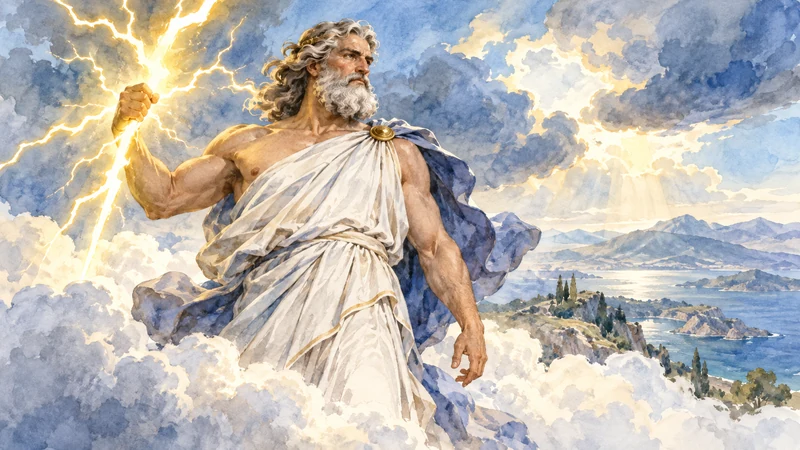
Greek mythology often presents gods with strong personalities, family rivalries, jealousy, desire, and direct conflict. Divine power can feel dramatic and unstable. Zeus rules, but other gods resist, argue, deceive, or protect their own favorites. This creates stories that are full of tension and personality.
Chinese mythology often places divine power inside a broader moral and bureaucratic order. The Jade Emperor, heavenly officials, local gods, ancestors, immortals, and underworld judges may appear in different traditions. Power is not only personality; it is also office, rank, merit, ritual relationship, and cosmic balance. This is why a chinese mythology comparison greek should ask how authority works before asking which god is equivalent.
Heroes and Tests
Greek heroes often gain meaning through extraordinary birth, impossible tasks, tragic flaws, and conflict with fate. Heracles, Perseus, Theseus, and Odysseus are remembered because their stories test strength, intelligence, endurance, and identity. The hero may win, suffer, or become part of a larger tragic pattern.
Chinese heroic figures can work differently depending on the source. Some are culture heroes who organize the world, control floods, teach skills, or restore order. Some are loyal officials, demon-quellers, immortals, or martial protectors. Zhong Kui, Erlang Shen, Nezha, Yu the Great, and many local figures belong to different story systems. A chinese mythology comparison greek should compare what the hero protects, corrects, or teaches.
Monsters, Spirits, and Disorder
Greek monsters often test heroes and mark the boundary between civilization and danger. The Minotaur, Medusa, Hydra, Cyclopes, and other figures can represent chaos, curse, divine punishment, or heroic challenge. The monster often exists so the hero’s courage or intelligence can be tested.
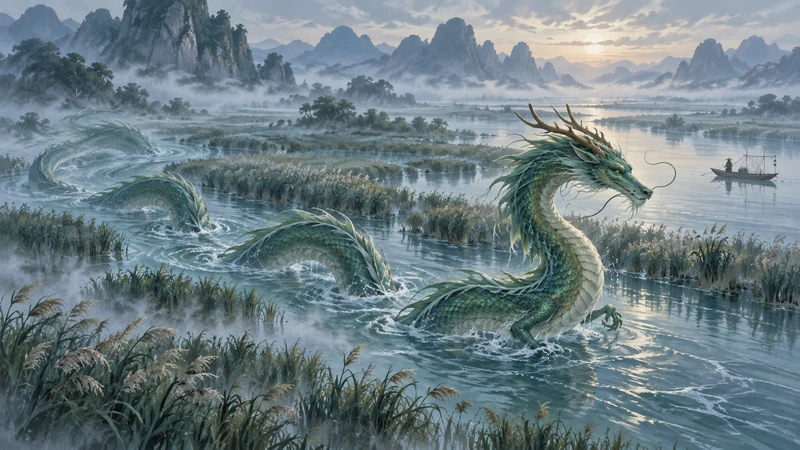
Chinese mythic beings include dragons, fox spirits, demons, ghosts, strange creatures, river powers, mountain spirits, and protective figures. They are not all evil. Some are dangerous, some are wise, some are transformed beings, and some are signs of imbalance. This makes the comparison more subtle. The question is not only, “Who is the monster?” The better question is, “What kind of disorder does the story describe?”
Death, Afterlife, and Moral Memory
Greek mythology contains Hades, shades of the dead, judgment-like scenes in later traditions, heroic afterlives, and stories about crossing boundaries between life and death. These stories often carry emotional weight because they show the limits of human power.
Chinese traditions include underworld courts, ancestor veneration, ghost beliefs, ritual care, and stories where moral conduct affects what happens after death. The boundary between family memory, religious practice, and mythic storytelling is important. In a chinese mythology comparison greek, afterlife ideas should be compared through ritual and moral order, not only through place names.
Teaching the Comparison Without Flattening It
For students, the cleanest method is a five-column comparison: divine order, hero role, monster function, afterlife idea, and cultural value. Put one Chinese example and one Greek example in each column. Then ask what problem the story solves. Does it explain natural forces? Does it teach loyalty? Does it test courage? Does it warn against pride? Does it protect a household or city?
This method also helps readers avoid a common mistake. A chinese mythology comparison greek is not a competition about which mythology is older, richer, or more logical. It is a way to see how different cultures use stories to organize fear, hope, power, family, nature, and moral life.
Source and Related Reading
For a general Greek background, the Britannica overview of Greek mythology is a useful starting point. For Chinese context on this site, compare Chinese mythology Zhong Kui and Chinese mythology Erlang Shen.
The best conclusion is measured: Chinese and Greek mythology can be compared, but the comparison should preserve difference. Strong comparisons show both similarity and distance.
A Better Classroom Comparison Method
When teaching chinese mythology comparison greek, start with one story from each tradition and ask the same four questions. Who has power? What problem threatens the world or community? What does the hero or divine figure repair? What value does the ending protect? This keeps the comparison grounded in story evidence instead of loose association.
For Greek material, a teacher might choose a heroic labor, an Olympian conflict, or a story about fate. For Chinese material, a teacher might choose a flood-control story, a demon-quelling tale, a mountain myth, or a story about heavenly order. The point is not to find perfect twins. The point is to notice how each tradition explains disorder and restoration.
This method also helps readers avoid ranking the traditions. A useful chinese mythology comparison greek article should not imply that one system is more advanced or more imaginative. It should show that each culture created stories for different social worlds. Greek stories often dramatize personality, rivalry, and fate. Chinese stories often connect cosmic order, moral behavior, local protection, and family memory.
For self-study, readers can make a small table in their notes: divine order, hero test, monster role, afterlife idea, and cultural value. Put one Chinese example and one Greek example in each row. Then write one sentence explaining both similarity and difference. That final sentence is usually more valuable than a simple matching chart.
How to Avoid Shallow Myth Comparisons
The weakest chinese mythology comparison greek approach begins with a matching game and ends too quickly. It says one ruler equals another ruler, one warrior equals another warrior, and one monster equals another monster. That format is simple, but it does not explain why the stories mattered to the people who told them.
A stronger comparison asks what each story protects. Some myths protect social order. Some protect household memory. Some warn against pride. Some explain the danger of crossing boundaries. Some give a community a way to talk about illness, disaster, death, loyalty, or courage. When readers compare those functions, the two traditions become clearer and more respectful.
This also helps with modern retellings. Films, games, and online summaries often mix mythic names without explaining the older story world. A careful chinese mythology comparison greek guide can give readers enough structure to enjoy modern adaptations while still recognizing the original cultural differences.
Use direct examples when possible, but keep the conclusion modest. A comparison should open the subject, not close it.
FAQ
What does chinese mythology comparison greek mean?
It means comparing Chinese and Greek mythology by worldview, divine order, heroes, monsters, ritual memory, and story function instead of only matching one god with another god.
Are Chinese gods like Greek gods?
Some roles look similar, but the systems are different. Greek gods often appear as a divine family with dramatic conflicts, while Chinese traditions include ancestors, immortals, officials, local spirits, and moral order.
Can Erlang Shen be compared with Greek heroes?
Only carefully. Erlang Shen can be compared by martial skill and divine sight, but his role belongs to Chinese religious and literary traditions rather than a Greek heroic cycle.
Why do many simple comparisons feel wrong?
They often force one-to-one matches and ignore the different social, ritual, and literary purposes of each mythology.
What is the best way to teach the comparison?
Start with story function, then compare divine order, hero tests, monster roles, afterlife ideas, and cultural values with specific examples.
Enjoyed this story? Share it!
🐦 Share on Twitter📚 Related Books
Explore more Chinese mythology stories in our curated collection