Chinese Mythology Ghost Stories often begin with this kind of scene: On a humid evening in late summer, a small group of families gathers in a Guangzhou alleyway courtyard, lighting red paper lanterns and burning stacks of yellow paper shaped like money. The air smells of sandalwood and sweet osmanthus, and children giggle as they chase floating lanterns.
This is the Ghost Festival, a time when the veil between the living and spirit worlds is believed to thin—and it’s the heart of chinese mythology ghost stories, a collection of tales told across China for millennia. These stories aren’t just scary tales to entertain children; they’re a window into Chinese values, beliefs about the afterlife, and the delicate balance between what’s seen and unseen.
For anyone curious about Chinese culture, diving into these stories offers more than thrills—it’s a chance to understand how generations made sense of life, death, and the connections between all beings.
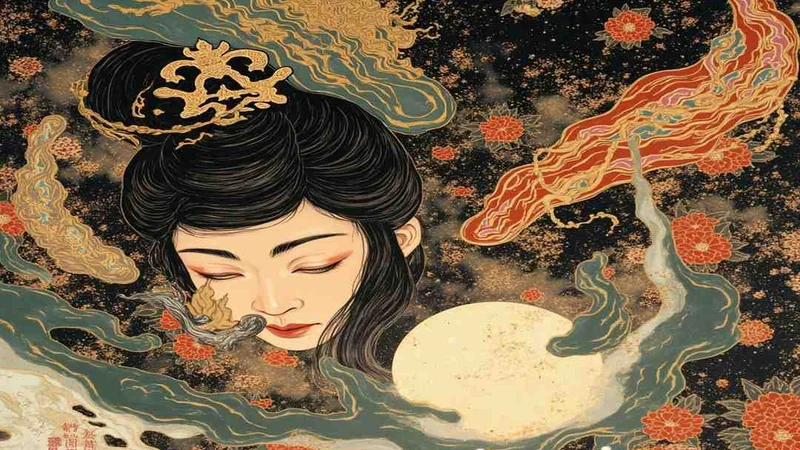
Who Was Chinese Mythology Ghost Stories?
Chinese mythology ghost stories are a diverse body of narratives blending folk beliefs, Taoist philosophy, Buddhist teachings, and regional oral traditions. Unlike Western ghost stories that often focus on vengeful spirits haunting the living, Chinese tales cover a wide range of supernatural beings: benevolent ancestors, vengeful ghosts trapped in the mortal realm, protective spirit kings, and shapeshifting spirits from the animal world.
Each story ties to a specific cultural context, reflecting the values and experiences of the communities that passed them down.
Key figures in these tales include Zhong Kui, the “Ghost King” who defies evil; Lady White Snake (Bai Suzhen), a shapeshifting snake spirit who falls in love with a mortal; Meng Po, the underworld figure who administers the forgetting soup to souls; and the Hungry Ghosts, wandering spirits plagued by unfulfilled desires. These characters aren’t just fictional—they’re embedded in rituals, art, and daily life, from door hangings of Zhong Kui to offerings for hungry ghosts during the Ghost Festival.
What makes Chinese mythology ghost stories unique is their lack of a single authoritative text. Unlike Greek myths compiled in works like Hesiod’s *Theogony*, Chinese ghost tales have been collected over centuries in books like Pu Songling’s *Strange Stories from a Chinese Studio* (18th century) and regional story collections passed down orally.
This blend of oral and written traditions means stories can vary slightly from village to village, adding layers of local meaning.
For beginners looking to explore these stories, starting with Zhong Kui and Lady White Snake is ideal. Zhong Kui’s tale is relatable because it centers on justice and overcoming adversity, while Lady White Snake’s story is a classic of love and loyalty, making it accessible to all ages.
A common mistake for new readers is seeing these stories as mere superstition; instead, they should be viewed as cultural artifacts that reveal core Chinese values.
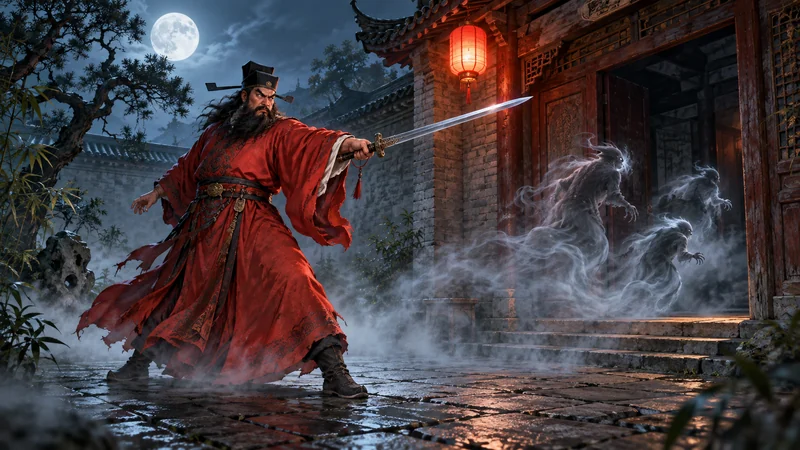
The Story Behind Chinese Mythology Ghost Stories
The story of Zhong Kui is one of the most beloved in Chinese mythology ghost stories. According to legend, during the Tang Dynasty (618–907 CE), Zhong Kui was a brilliant scholar who traveled to the capital to take the imperial exam.
He scored first place, but the emperor refused to grant him the title because of his grotesque, hunched appearance. Humiliated by this unfair judgment, Zhong Kui bowed to the emperor and then jumped off the palace steps, killing himself in despair.
The Jade Emperor, Taoism’s supreme deity, took pity on Zhong Kui and appointed him as the King of Ghosts, tasked with banishing evil spirits and protecting mortals. Today, Zhong Kui’s image is often painted on door frames during the Lunar New Year to ward off bad luck.
Another iconic tale is that of Lady White Snake, from the Ming Dynasty novel *Legend of the White Snake*. Bai Suzhen, a thousand-year-old white snake spirit, transforms into a beautiful woman after years of cultivation and falls in love with Xu Xian, a kind mortal pharmacist.
They marry and live happily in Hangzhou, until a Buddhist monk named Fahai discovers Bai Suzhen’s true identity. Believing a supernatural spirit’s relationship with a mortal threatens the balance of the world, Fahai confronts the couple and traps Bai Suzhen under Hangzhou’s Leifeng Pagoda.
The story ends with their son, a filial child, rescuing his mother, symbolizing love and loyalty that transcend even supernatural boundaries.
The Hungry Ghosts legend, Chinese Mythology Ghost Stories tied to the Buddhist Ullambana Sutra, is central to the Ghost Festival. The sutra tells of Maudgalyayana, a disciple of Buddha, who uses his powers to look into the underworld and sees his mother trapped as a hungry ghost—spirits who died with greedy or unfulfilled desires, their throats thin and mouths too small to eat.
Maudgalyayana asks Buddha for help, who tells him to offer food to monks during the Ullambana Festival, a ritual that frees his mother. This story evolved into modern Ghost Festival, where families offer food, burn paper money, and perform rituals to help hungry ghosts find peace.
The figure of Meng Po, the “Lady of Forgetfulness,” comes from Taoist and Buddhist underworld lore. Every soul entering the underworld is brought before Meng Po, who serves them a bowl of *Meng Po Tang* (Forgetfulness Soup).
This soup erases all memories of the soul’s past life, allowing reincarnation without carrying the weight of previous experiences. The story of Meng Po reflects a key Chinese philosophical idea: letting go of the past is essential for spiritual growth and rebirth.
What Chinese Mythology Ghost Stories Means in Chinese Culture
Chinese mythology ghost stories are deeply tied to ancestor respect, a core value in Chinese society. The Ghost Festival and Qingming Festival (Tomb-Sweeping Day) are direct products of these tales, reminding people to honor the dead by visiting graves, cleaning tombs, and offering food and gifts.
When families burn paper money during the Ghost Festival, it’s not just a ritual—it’s a way to ensure ancestors have resources in the spirit world, showing care and gratitude for their guidance.
Moral lessons are woven into every Chinese ghost story. Zhong Kui’s tale teaches that even those who face injustice can become forces for good, emphasizing resilience and standing up against unfairness.
Lady White Snake’s story warns against crossing boundaries between the supernatural and mortal worlds, but also celebrates love that defies social norms. The Hungry Ghosts story teaches compassion: helping those less fortunate, even in the spirit realm, is a virtue that will be rewarded.
These lessons are not abstract—they’re passed down through stories to teach children how to behave in the world.
The stories also reflect Chinese cosmology, Chinese Mythology Ghost Stories based on the balance of yin and yang. Yin represents the spirit world, darkness, and the dead; yang represents the mortal world, light, and the living.
Chinese ghost stories explore the tension between these two realms: when the boundary is thin (like during festivals), chaos can occur, so rituals maintain balance. For example, hanging Zhong Kui’s image (a yang symbol) on doors keeps evil yin spirits out, protecting the home.
Finally, these stories preserve historical memory. Zhong Kui’s tale reflects the importance of the imperial exam system in ancient China, where education was a path to success for many.
Lady White Snake’s story, written during the Ming Dynasty, reflects shifting social attitudes toward love and individual choice, as it centers on a woman’s desire to marry for love rather than arranged marriage. The Hungry Ghosts story, adapted from Buddhist texts, shows how Chinese culture absorbed foreign ideas and made them part of its identity.
Why Chinese Mythology Ghost Stories Still Matters Today
Chinese mythology ghost stories are a staple of modern pop culture, reaching global audiences. The 2019 animated film *White Snake* (based on Lady White Snake) was a box office hit, introducing the story to millions outside China.
Video games like *Genshin Impact* feature Zhong Kui as a playable character, bringing his protective spirit to life for gamers worldwide. Chinatowns across the globe host Ghost Festival celebrations, where people light lanterns and offer food, keeping traditions alive for diaspora communities.
For overseas Chinese parents, these stories are a tool for cultural education. They use tales like Zhong Kui and Lady White Snake to teach their children about their heritage, values like respect for ancestors and compassion, and the history of Chinese culture.
For foreign students, these stories offer a unique window into Chinese philosophy and social norms—unlike Western myths, they focus more on balance and community than individual heroism.
The themes of these stories resonate with modern audiences dealing with grief, Chinese Mythology Ghost Stories change, and trauma. Meng Po’s story of forgetting the past is often referenced in therapy as a metaphor for healing from trauma, encouraging people to let go of painful memories to move forward.
Zhong Kui’s resilience in the face of injustice is a source of inspiration for people facing discrimination or hardship. The Hungry Ghosts story’s emphasis on compassion is a reminder of the importance of helping others in a time of global crisis.
These stories also drive tourism and cultural preservation. Places like Hangzhou’s Leifeng Pagoda (tied to Lady White Snake) and the Yongle Palace murals (which depict Zhong Kui) draw millions of tourists each year, boosting local economies and preserving ancient art.
Museums around the world now exhibit artifacts related to Chinese ghost stories, introducing them to new audiences and ensuring these tales are not forgotten.
Frequently Asked Questions
What is the origin of chinese mythology ghost stories?
Chinese mythology ghost stories originated from ancient Han folk beliefs centered on ancestor worship, the concept of an afterlife (including the underworld realm Diyu), and early burial customs that involved honoring spirits. Key early literary sources include the Jin Dynasty text *In Search of the Supernatural* (Sou Shen Ji), which compiled tales of ghosts and supernatural beings, while later influences from Taoism and Buddhism (which brought ideas of karmic retribution and the cycle of rebirth) shaped many classic ghost narratives.
What are the main characters in chinese mythology ghost stories?
Main characters include various types of ghosts (gui): vengeful ghosts (yuan gui) who died unjustly and seek justice or revenge, benevolent ghosts who help the living, and wandering spirits with unresolved desires. Key supernatural officials from the underworld are Yanluo Wang (King Yama, who judges souls), Meng Po (who gives the “soup of forgetfulness” to souls before they reincarnate), and the Ten Kings of Hell who oversee different aspects of the afterlife. Additionally, figures like fox spirits (huli jing) and scholars who interact with ghosts (popularized in Pu Songling’s *Strange Stories from a Chinese Studio*) are central to many well-known tales.
What is the moral lesson of chinese mythology ghost stories?
Core moral lessons emphasize karmic retribution (good deeds lead to favorable outcomes, while wrongdoing results in suffering), the importance of justice and resolving unresolved grievances, filial piety and respect for ancestors, compassion for the suffering (including spirits), and the value of human virtues like loyalty and kindness. Many stories also warn against greed, betrayal, or cruelty, as these actions can lead to spiritual or earthly punishment.
How is chinese mythology ghost stories celebrated in modern China?
Modern celebrations and relevance include the annual Zhongyuan Festival (Ghost Festival), held on the 15th day of the 7th lunar month. During this time, families burn joss paper (spirit money), offer food and incense to ancestors and wandering ghosts, release river lanterns to guide lost spirits, and avoid staying out late to prevent encountering restless spirits. In contemporary culture, Chinese ghost stories are adapted into popular TV dramas, films, online novels, and mobile games (such as *The Ghost Bride*), keeping the traditions alive for younger generations while also serving as a way to honor ancestral heritage and explore themes of justice and human connection.
What are similar myths to chinese mythology ghost stories?
Similar myths within Chinese mythology include tales centered on the underworld (Diyu) and its guardians, such as the story of the Ten Kings of Hell who judge souls based on their earthly deeds. Other related myths are the legend of Du Liniang (a young woman whose ghost falls in love with a scholar in Tang Xianzu’s *The Peony Pavilion*), the vengeful ghost of Qu Yuan (the ancient poet whose spirit wandered the Miluo River after his unjust exile and death), and fox spirit (huli jing) narratives, which often feature shape-shifting female spirits with ghost-like traits that interact with human protagonists. These myths share the focus on spirits, the afterlife, and human-spirit interactions that define Chinese ghost story traditions.
Chinese Mythology Fox Spirit: Meaning, Stories and Symbolism Chinese Mythology Thunder God Explained: Why the Common Stor Chinese Mythology Mythical Creatures List Explained Wikipedia
Enjoyed this story? Share it!
🐦 Share on Twitter📚 Related Books
Explore more Chinese mythology stories in our curated collection