When you think of Chinese mythology, you might picture glowing dragons, divine immortals, or the great flood that shaped ancient civilization—but beneath these grand tales lie Chinese mythology tragic stories that linger like unspoken sorrows, revealing the human core of ancient beliefs. These stories are not mere fables of woe; they are windows into the values that have guided Chinese communities for millennia, from the weight of filial piety to the power of love against divine odds.
For readers new to Chinese folklore, these tragic tales offer more than entertainment—they invite a deeper understanding of how ancient cultures framed loss as a testament to virtue, not just defeat.
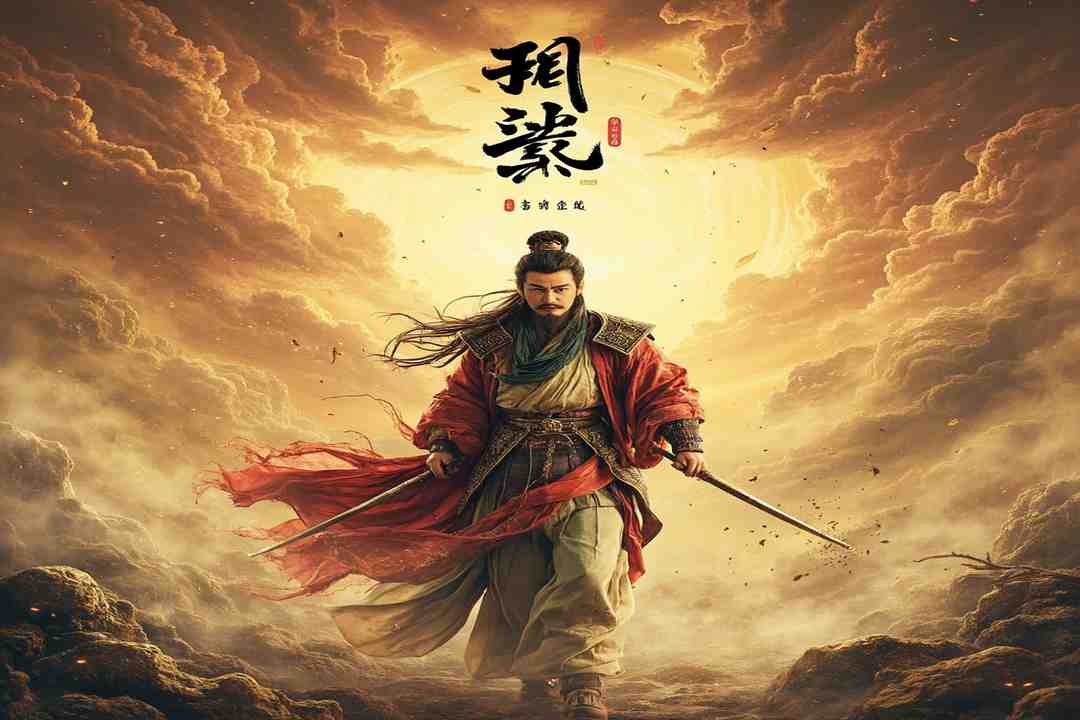
Who Was Chinese Mythology Tragic Stories?
Chinese mythology tragic stories are a distinct subset of traditional narratives focused on characters whose lives end in sorrow, sacrifice, or unfulfilled destiny, often rooted in conflicts between human desires, divine rules, or overwhelming natural forces. Unlike Western tragic tales that center on hubris or fate, most Chinese mythic tragedies revolve around selfless acts, unmet obligations, or the struggle of ordinary people against larger-than-life powers.
Key figures in these stories include the bird Jingwei, the grieving widow Meng Jiangnü, the moon-dwelling Chang’e, and the separated lovers Niulang and Zhinü—each embodying a different form of tragic loss that resonates across time.
Many of these characters are not gods or emperors, but ordinary people or minor deities, which makes their tragedies relatable. For example, Jingwei was once a mortal princess, not a divine being, while Meng Jiangnü was a common woman whose husband was conscripted for labor.
This focus on the marginalized is a defining feature of Chinese mythology tragic stories, as they often amplify the suffering of those without power against oppressive systems or indifferent nature.
Scholars of Chinese folklore, Chinese Mythology Tragic Stories such as Professor Anne Birrell (author of *Chinese Mythology*), note that these tragic tales are not meant to evoke despair, but to honor the moral courage of those who face loss with integrity. Unlike tragedies that end in ruin, Chinese mythic tragedies often leave a legacy—Jingwei’s mission to fill the sea, for instance, is seen as a symbol of unyielding perseverance, even in the face of impossible odds.
This shift from despair to purpose is what sets these stories apart from many Western tragic narratives.
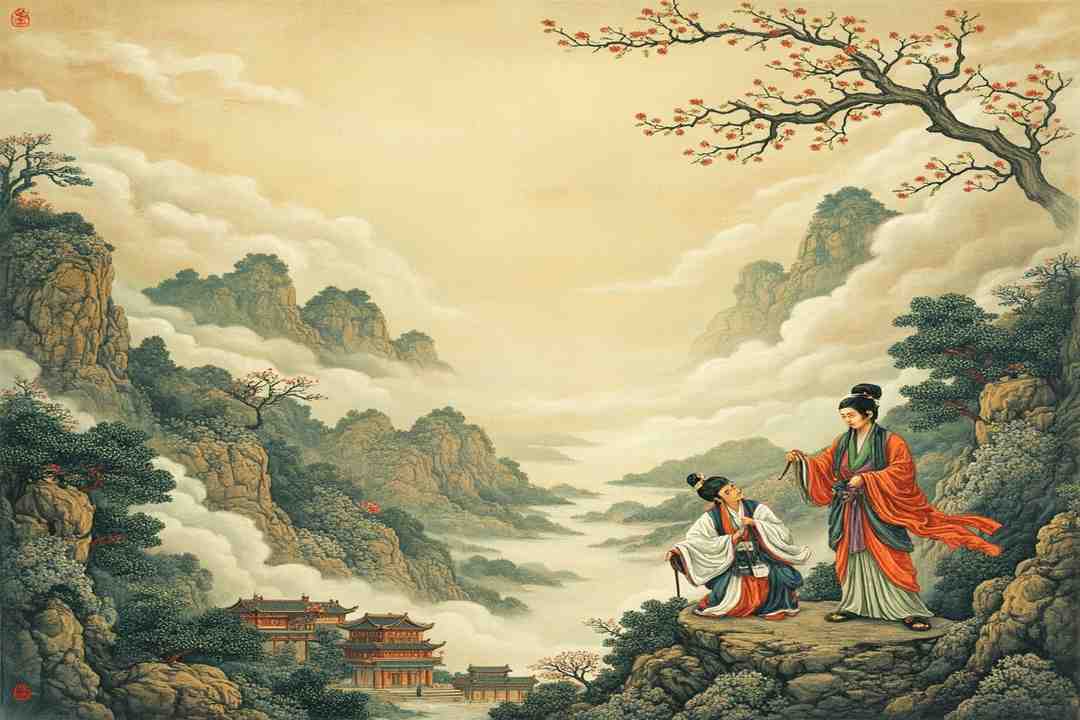
The Story Behind Chinese Mythology Tragic Stories
One of the oldest and most enduring Chinese mythology tragic stories is that of Jingwei, the bird. According to the *Classic of Mountains and Seas*, an ancient text compiled around the 4th century BCE, the youngest daughter of the Yan Emperor (a legendary ruler of ancient China) set sail on the East Sea for a joyride, but her boat capsized in a sudden storm, and she drowned before she could reach shore.
Her spirit refused to rest, transforming into a small bird with a white beak, red claws, and a cry that sounds like her own name—“Jingwei.” Determined to avenge her death by taming the sea, she flew between the mountains and the East Sea, carrying twigs and pebbles in her beak, dropping them into the water to fill it up. For centuries, this story has been told to children to teach resilience against overwhelming odds.
Another tragic tale is that of Meng Jiangnü, Chinese Mythology Tragic Stories a story passed down orally for over 2,000 years. During the Qin Dynasty, when Emperor Qin Shi Huang ordered the construction of the Great Wall to protect northern borders, millions of peasants were conscripted as laborers.
Meng Jiangnü’s husband, Fan Xiliang, was among them. When winter came, Meng Jiangnü warmed a thick coat for her husband and traveled thousands of miles to the Great Wall to bring it to him.
But when she arrived, she learned that Fan Xiliang had already died of exhaustion and his body was buried beneath the wall. Grief-stricken, Meng Jiangnü cried for three days and three nights, until the section of the Great Wall she stood on collapsed, revealing her husband’s bones.
This story is a powerful critique of imperial oppression and the suffering of ordinary people under unjust rule.
The tale of Chang’e, the moon goddess, is a story of sacrifice and loneliness. Chang’e was the wife of Yi the Archer, a hero who shot down nine of the ten suns that had scorched the earth.
After his great deed, Yi obtained an elixir of immortality from the Queen Mother of the West, meant to be shared with his wife to grant them eternal life. But a villain named Feng Meng tried to steal the elixir while Yi was away.
To prevent the elixir from falling into the wrong hands, Chang’e drank it herself. The elixir made her lighter than air, and she floated up to the moon, where she became a goddess, but was forced to live alone in the Moon Palace for all eternity, separated from her husband.
Every year, on the 15th day of the 8th lunar month, Chinese people gather to admire the full moon, a reminder of Chang’e’s lonely fate.
Finally, the story of Niulang and Zhinü is a tragic tale of love and separation. Chinese Mythology Tragic Stories Niulang was a poor cowherd, while Zhinü was a heavenly weaver, one of the seven fairy maidens.
The two fell in love and married, living happily on earth, and Zhinü gave birth to two children. But when the Queen Mother of the West learned that a fairy had married a mortal, she was furious and ordered Zhinü to return to heaven, separating the couple.
Niulang was heartbroken, until his cow (actually a divine creature) told him to kill it and wear its skin to fly to heaven. When he reached heaven, the Queen Mother drew a line in the sky with her hairpin, creating the Milky Way, which separated Niulang and Zhinü forever.
However, moved by their love, she allowed them to meet once a year, on the seventh day of the seventh lunar month, when magpies form a bridge across the Milky Way for them. This day is now celebrated as Qixi Festival, China’s equivalent of Valentine’s Day.
What Chinese Mythology Tragic Stories Means in Chinese Culture
Chinese mythology tragic stories are not just entertainment—they are woven into the fabric of Chinese cultural identity, shaping values like perseverance, filial piety, and the sanctity of love. Jingwei’s story, for example, is often cited in Chinese education as a lesson in resilience; students are taught that even small acts of persistence can lead to great change, no matter how impossible the task.
This is a stark contrast to Western tragic heroes, who often fall because of pride, while Chinese tragic figures rise because of their unwavering commitment to a cause.
Meng Jiangnü’s story is deeply tied to the concept of filial piety (xiao), Chinese Mythology Tragic Stories one of the core virtues in Confucianism. Her journey to bring her husband a coat is an act of devotion, and her grief is seen as a testament to the love between a husband and wife, as well as the suffering of common people under unjust rule.
Local traditions around the Great Wall still honor Meng Jiangnü, with temples dedicated to her in some areas, where people leave offerings to remember her sacrifice. These temples are not just religious sites—they are reminders of the human cost of large-scale state power.
Chang’e’s story reflects the Chinese belief in the balance between sacrifice and solitude. By giving up her life on earth with Yi, she prevented the elixir from being used for evil, a selfless act that has made her a symbol of purity and sacrifice.
The moon, which is central to Chinese culture, is often associated with Chang’e, and her lonely presence on the moon is a reminder that great acts sometimes come with great personal cost. Similarly, Niulang and Zhinü’s story celebrates the power of love to transcend even divine boundaries, even if it means being separated for most of the year.
The Qixi Festival, which honors them, is one of the most popular romantic festivals in China, bringing together millions of people to celebrate love.
Culturally, Chinese Mythology Tragic Stories these stories also serve as a collective memory of historical struggles. Meng Jiangnü’s story, for instance, reflects the real suffering of peasants during the Qin Dynasty’s massive construction projects, a period of intense labor and loss.
Jingwei’s story, while mythical, echoes the idea of resistance against overwhelming forces, a theme that has appeared throughout Chinese history, from peasant uprisings to modern struggles for justice. These myths are not just ancient tales—they are living narratives that continue to shape how Chinese people see the world and their place in it.
Why Chinese Mythology Tragic Stories Still Matters Today
Chinese mythology tragic stories remain relevant today because they speak to universal human experiences: loss, love, sacrifice, and the struggle against injustice. For overseas Chinese communities, these stories are a way to connect with their cultural roots, passing down values to younger generations.
For example, during Qixi Festival, families share the story of Niulang and Zhinü, teaching children about the importance of love and commitment, even when faced with obstacles. In recent years, this festival has gained popularity outside of China, with young people in other countries celebrating it as a day to honor romantic love, thanks to the enduring appeal of the tragic lovers.
Modern media has also kept these stories alive. Films like *The Legend of Meng Jiangnü* (2006) and *Chang’e: The Moon Goddess* (2018) have reimagined these tales for contemporary audiences, Chinese Mythology Tragic Stories adding new layers of depth while staying true to their core themes.
Video games, such as *Honor of Kings* and *Genshin Impact*, feature characters based on these mythic figures, introducing them to millions of new players around the world. Even China’s space program, which sent the first Chang’e lunar probe in 2007, named its missions after the moon goddess, linking ancient myth to modern scientific achievement in a way that feels both timeless and innovative.
For non-Chinese readers, these stories offer a different perspective on tragedy than what is common in Western literature. Unlike Greek tragedies, which often focus on the downfall of kings due to fate or hubris, Chinese mythic tragedies focus on ordinary people and their selfless acts.
This makes them relatable to anyone who has experienced loss or struggled against a difficult situation. For example, Jingwei’s story of persisting in a task despite impossible odds is inspiring for anyone facing a personal or professional challenge, while Meng Jiangnü’s grief resonates with anyone who has lost a loved one.
Scholars and educators also use these stories to teach cross-cultural understanding. By comparing Chinese mythology tragic stories to Western ones, students can learn about different cultural values and how ancient narratives shape modern societies.
For example, the concept of xiao (filial piety) in Meng Jiangnü’s story is a value that is central to Chinese culture, and understanding it helps non-Chinese readers appreciate the importance of family and devotion in Chinese life. This makes these stories not just entertaining, but also educational tools for building global empathy.
Frequently Asked Questions
What is the origin of chinese mythology tragic stories?
Chinese mythology tragic stories originated from ancient oral traditions of pre-Qin (Shang and Zhou dynasties) and Han dynasty folk culture, later formalized and recorded in classical texts such as *Classic of Mountains and Seas*, *In Search of the Supernatural*, and *Strange Tales from a Chinese Studio*. They emerged as a way for early Chinese communities to explain natural disasters, cope with hardship, and express core cultural values before widespread written documentation of history.
What are the main characters in chinese mythology tragic stories?
Key characters in these stories include both divine and mortal figures, each embodying distinct tragic traits. Prominent examples are Kuafu, a giant who chased the sun and died of thirst, his body transforming into mountains and forests; Jingwei, a girl who drowned in the East Sea and turned into a bird to fill the sea out of revenge; Chang’e, the goddess who stole immortality elixir and was separated from her husband Hou Yi, trapped on the moon; and Meng Jiangnü, a woman whose weeping collapsed a section of the Great Wall built by her conscripted husband.
What is the moral lesson of chinese mythology tragic stories?
The central moral lessons of these tales emphasize perseverance, loyalty, and the courage to uphold one’s principles even in the face of overwhelming adversity or unjust fate. For instance, Jingwei’s unwavering determination to fill the sea teaches resilience against injustice, while Meng Jiangnü’s story highlights the suffering of ordinary people under oppressive rule and the value of loyalty to loved ones. They also often reflect the ancient Chinese belief in the power of human will to challenge destiny, rather than passively accepting misfortune.
How is chinese mythology tragic stories celebrated in modern China?
In modern China, these tragic stories are celebrated and passed down through multiple cultural mediums: they are adapted into traditional operas (such as Kunqu, Yue opera, and Peking opera), animated films, TV series, and literary works. They are also featured in educational curricula to teach cultural heritage, and associated sites (like the supposed location of Kuafu’s chase or Jingwei’s sea) draw cultural tourists. Additionally, some festivals, like the Dragon Boat Festival (linked to the tragic death of Qu Yuan), keep these stories alive through annual rituals.
What are similar myths to chinese mythology tragic stories?
Similar tragic myths within Chinese mythology and folklore include the story of Niulang and Zhinü (the Cowherd and Weaver Girl, separated by the celestial emperor, only allowed to meet once a year on the Qixi Festival), the tragic death of poet and statesman Qu Yuan (who drowned himself in the Miluo River to protest corrupt rule), and the Butterfly Lovers (a tale of two star-crossed lovers who, after being denied marriage, transformed into butterflies to be together). These stories share core themes of unfulfilled love, loyalty to one’s country or principles, and struggle against fate, making them integral to Chinese tragic mythic tradition.
Chinese Mythology Legend Of Dragon Explained Chinese Mythology Myth Creatures Explained 7 Fascinating Facts About Chinese Mythology Movie That Will Wikipedia
Enjoyed this story? Share it!
🐦 Share on Twitter📚 Related Books
Explore more Chinese mythology stories in our curated collection